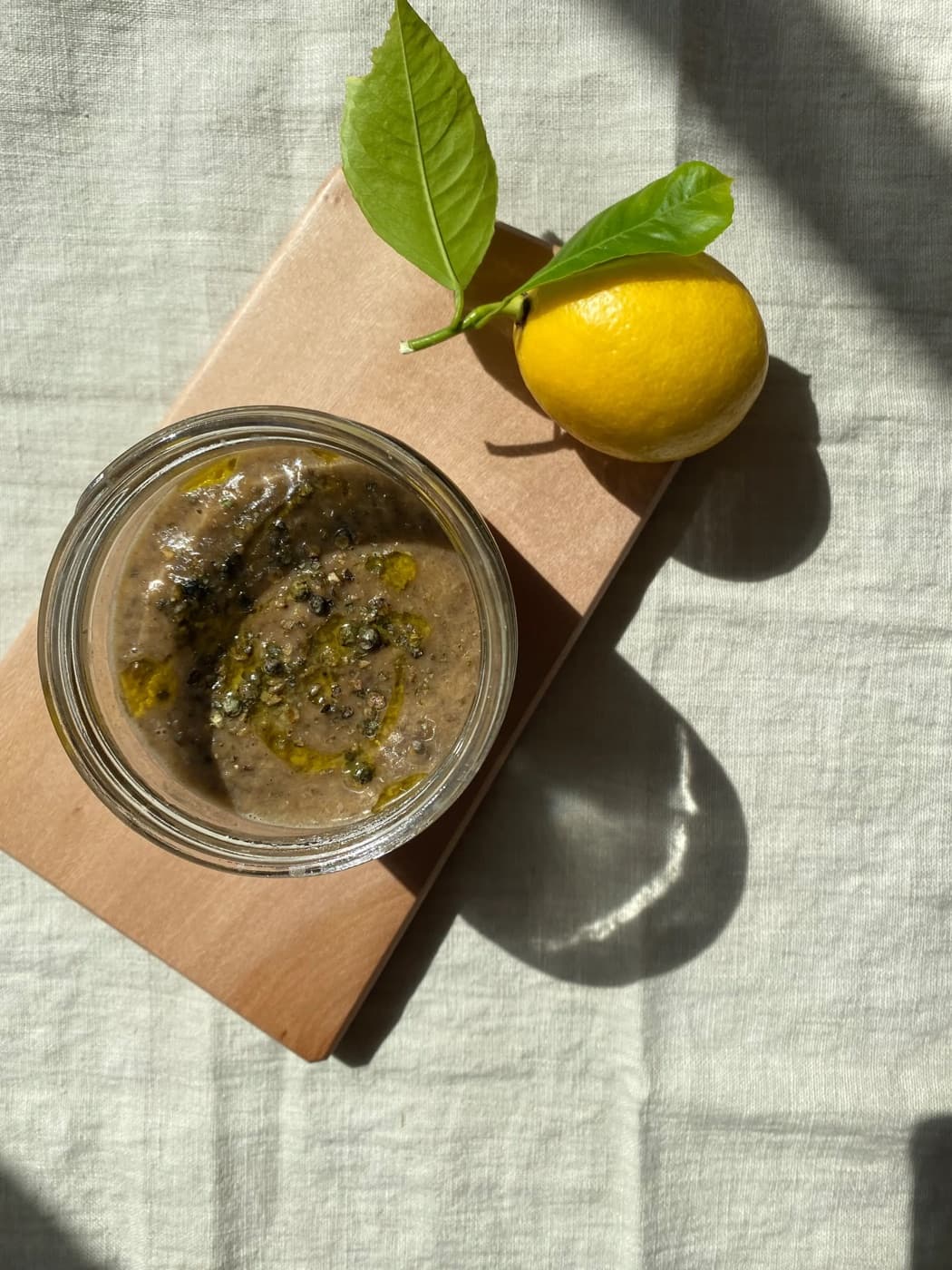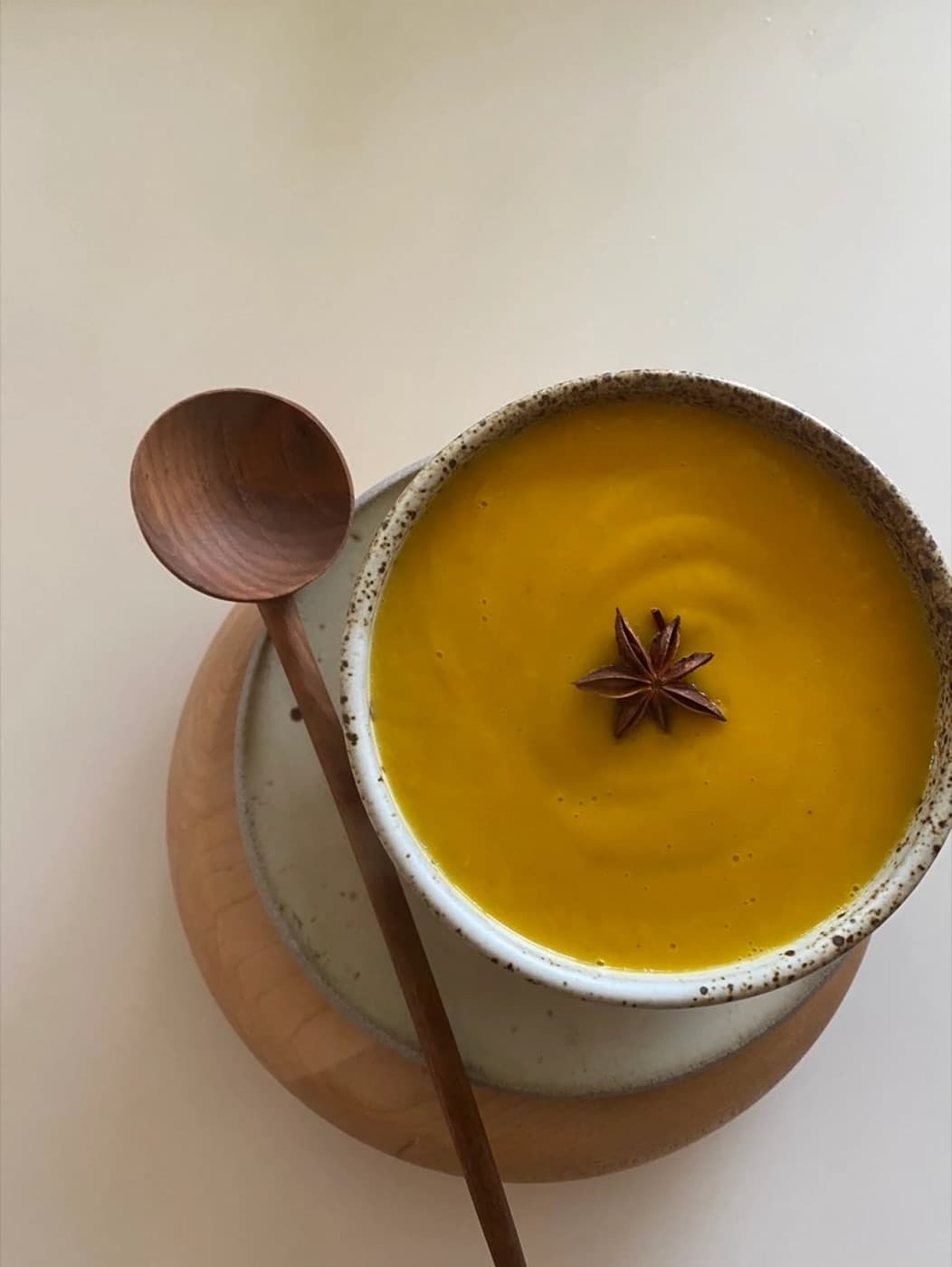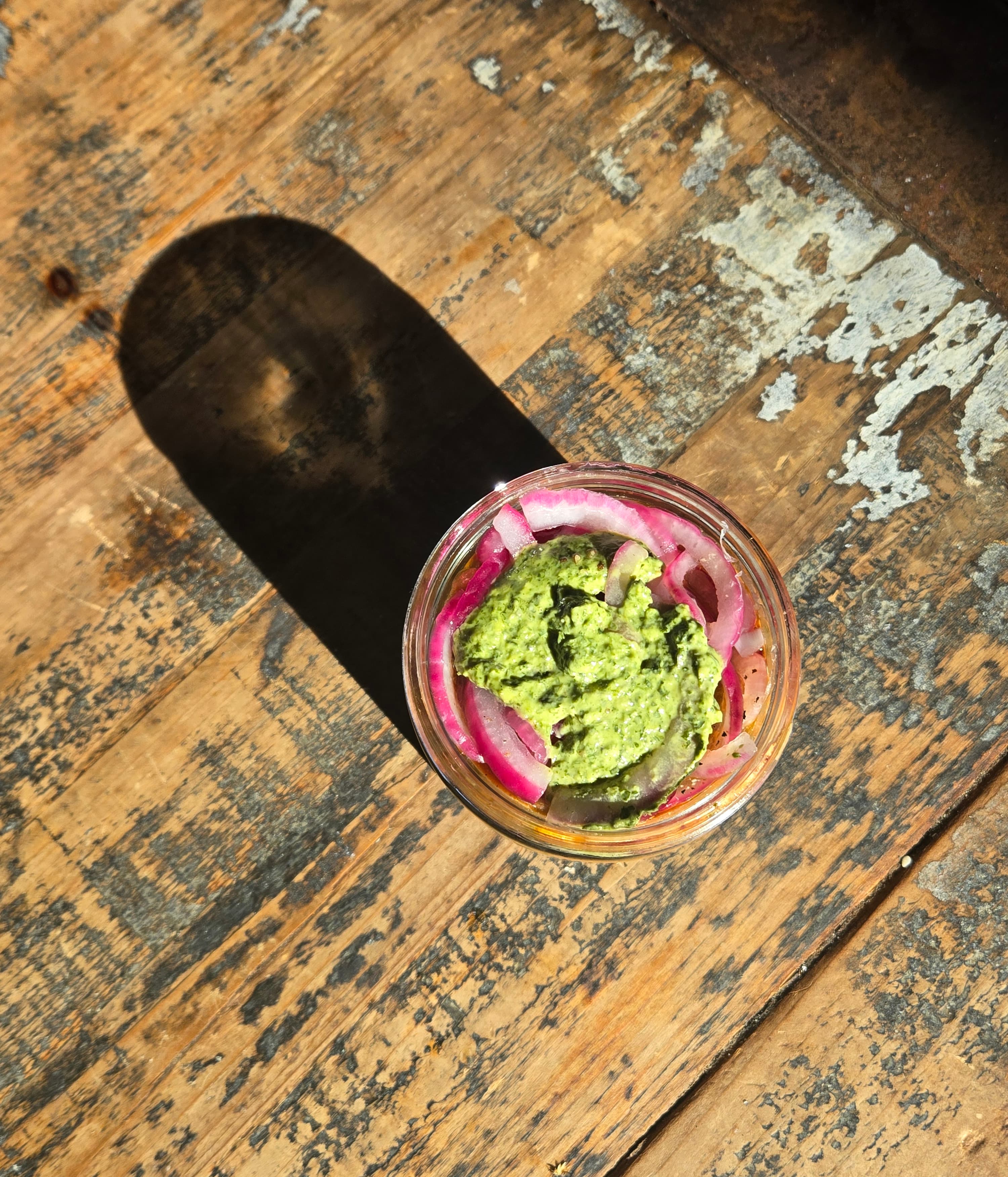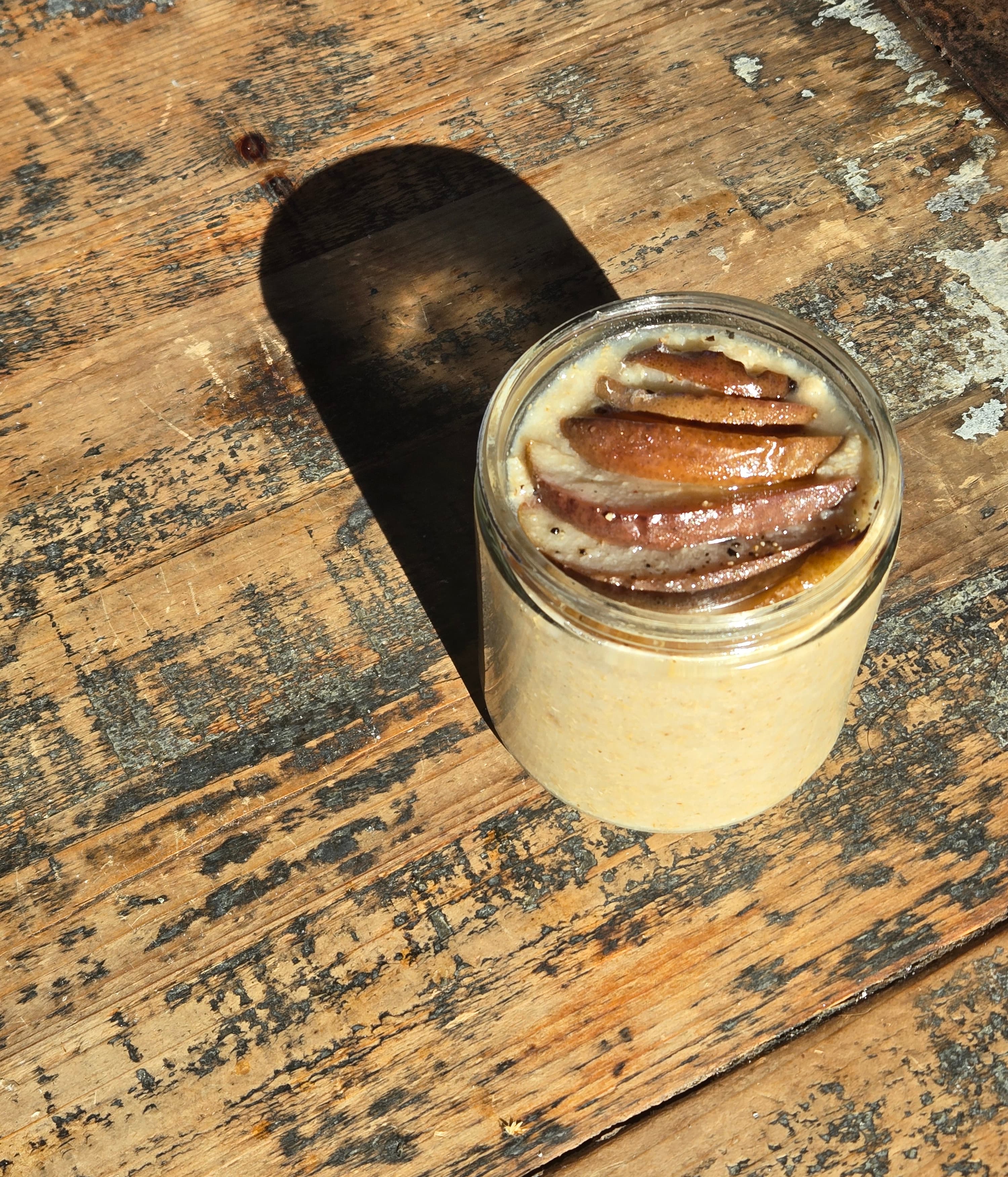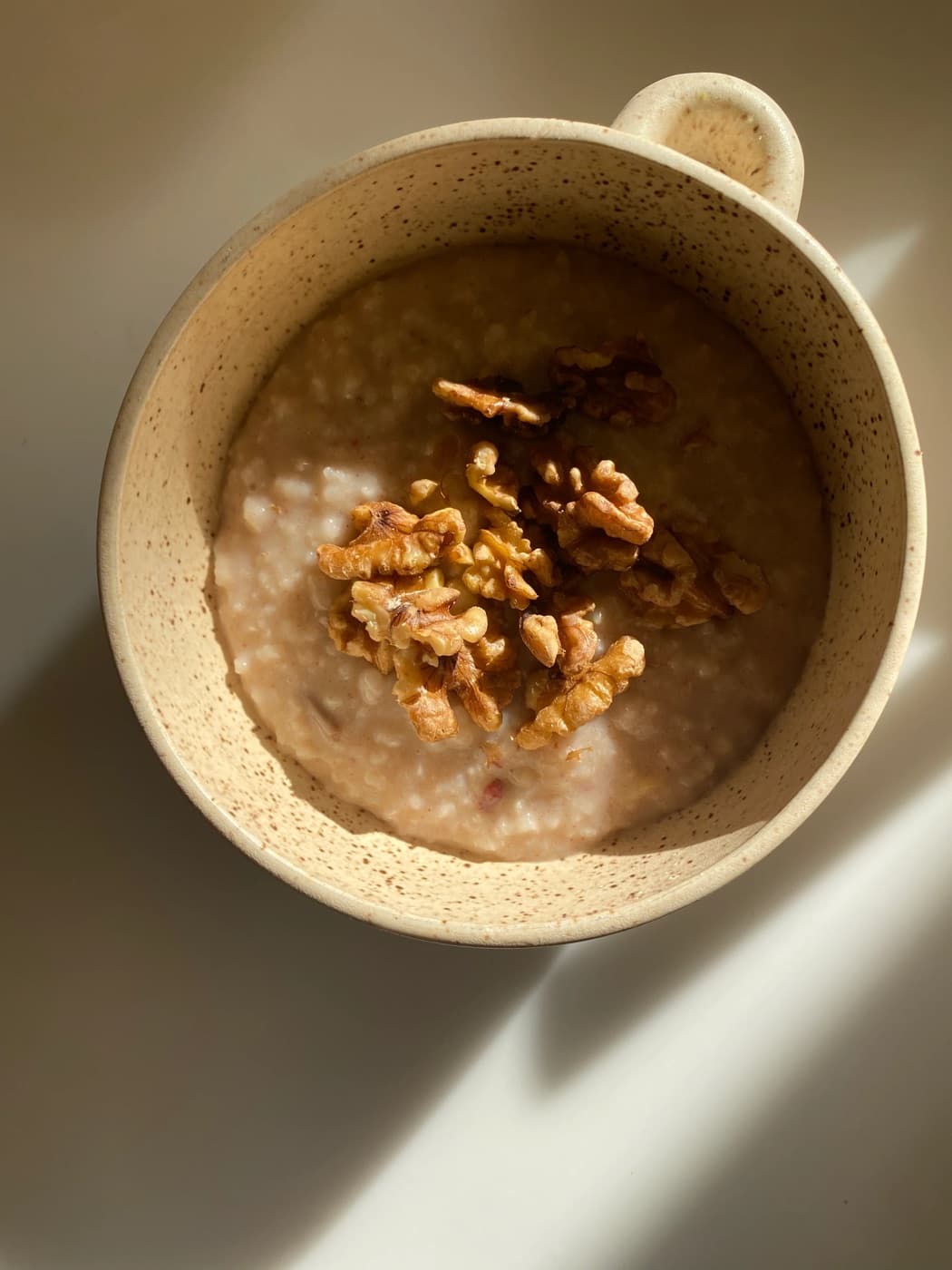
In the first week after birth, the most supportive foods are warm, soft, and easy to digest: broths, cooked grains, stewed vegetables, protein-rich soups, and healthy fats.
This is a gentle way of eating that meets your body where it is: depleted, healing, and working hard.
Why does what you eat matter so much in the first week?
Birth takes significant physical effort and, for most people, some blood loss. Your uterus is contracting back to size, tissue is repairing, hormones are shifting, and if you are breastfeeding, your body is building a milk supply. All of that takes fuel.
In Ayurvedic tradition, digestion is considered slower and more tender in the early postpartum period. Heavy, cold, or raw foods can feel uncomfortable or cause bloating. Warm, cooked foods are gentler and easier for a tired body to take in.
What warm, easily digestible foods actually mean
Easily digestible means cooked, soft, and warm, with plenty of flavor.
- Oatmeal and congee (rice porridge) are ideal breakfast foods: grounding, filling, and gentle
- Soft-cooked vegetables like zucchini, carrots, and sweet potato are easy on digestion and provide vitamins and minerals
- Lentil dal and kitchari (a cooked rice and lentil dish) are classic postpartum staples in Ayurvedic tradition
- Eggs, scrambled or poached, offer protein and choline
Go easy on very raw foods, iced drinks, and anything fried or heavy in the first few days. Your body will let you know if something is not sitting well.
How do you rebuild iron after birth?
Blood loss during birth draws on your iron stores, so iron-rich foods are worth including from the first week.
- Beef, lamb, and chicken thighs provide heme iron, the form the body absorbs most readily
- Lentils, black beans, and cooked spinach offer non-heme iron
- Pair plant-based iron sources with a vitamin C-rich food (a squeeze of lemon, a few tomatoes) to improve absorption
- Have coffee or tea between meals, since tannins reduce iron absorption
If you had significant blood loss or have been diagnosed with postpartum anemia, follow your provider's guidance on supplementation.
Why are broths and soups so central to postpartum recovery?
Bone broth and nourishing soups do several things at once. They hydrate, they carry protein and minerals from long simmering, and they warm the body from the inside out.
Breastfeeding increases your fluid needs, and plain water can feel like a chore when you are exhausted. A warm mug of broth brings hydration and nourishment together.
Soups built around protein and cooked vegetables are also an easy way to get a full meal into a body that may not have a strong appetite yet.
What role does protein play in the first week?
Your body uses protein to repair tissue and to make milk, so it matters in these early days.
Aim for protein at every meal and most snacks:
- Animal proteins: bone-in chicken, lamb, beef, fish, eggs
- Plant proteins: lentils, chickpeas, tempeh, full-fat yogurt or paneer
- Protein-rich snacks: hard-boiled eggs, nut butter on toast, a small bowl of dal
Small, steady amounts through the day tend to feel easier than a few large meals.
Do healthy fats really matter right now?
Yes. Vitamins A, D, E, and K need fat to be absorbed, and fat brings richness and staying power to a meal.
- Ghee is the traditional postpartum fat in Ayurvedic cooking: warming and easy to digest
- Avocado, olive oil, and full-fat coconut milk are lovely additions
- Sesame oil and sesame seeds are nourishing and warming
- Whole nuts and nut butters offer fat alongside protein and minerals
This is a good season to enjoy fat freely.
What about fiber and gentle digestion?
Constipation is one of the most common postpartum complaints, particularly after a cesarean or if pain medication was used. Gentle fiber from cooked vegetables, lentils, oats, and stewed fruits like prunes helps keep things moving.
Raw vegetables can add to bloating for some people in the first week, so cooked fiber sources tend to sit better.
Drink steadily alongside your fiber. They work together.
How Milky Oat thinks about the first week
Every meal on Milky Oat's postpartum menu is built around these same principles: warm, cooked, iron-supportive, protein-rich, and fat-forward. The menu is made for the Bay Area's new mothers, drawing on Ayurvedic postpartum tradition and the practical reality that no one has time or energy to cook in the first week.
If you have questions about specific dietary needs or postpartum nutrition, your midwife, OB, or a registered dietitian familiar with postpartum care is the right person to guide you. This article is nourishment guidance, not medical advice.