Postpartum nutrition matters for every mother, however her baby is fed. If you are formula feeding, combination feeding, or pumping less than you planned, your body is still recovering from birth and still deserves warm, nourishing meals.
Why does nutrition still matter if you are not breastfeeding?
Much postpartum food advice centers on milk supply, which can leave formula-feeding mothers feeling like the guidance is meant for someone else. Recovery from birth is its own work. Tissue is healing, hormones are shifting, and sleep is broken. Good food supports all of it.
Postpartum traditions around the world feed the mother herself. The warm broths of zuo yuezi and the ghee-rich meals of jaappa were made for her recovery, whatever happened with feeding.
What should you eat in the early weeks?
The foundations are the same for every new mother.
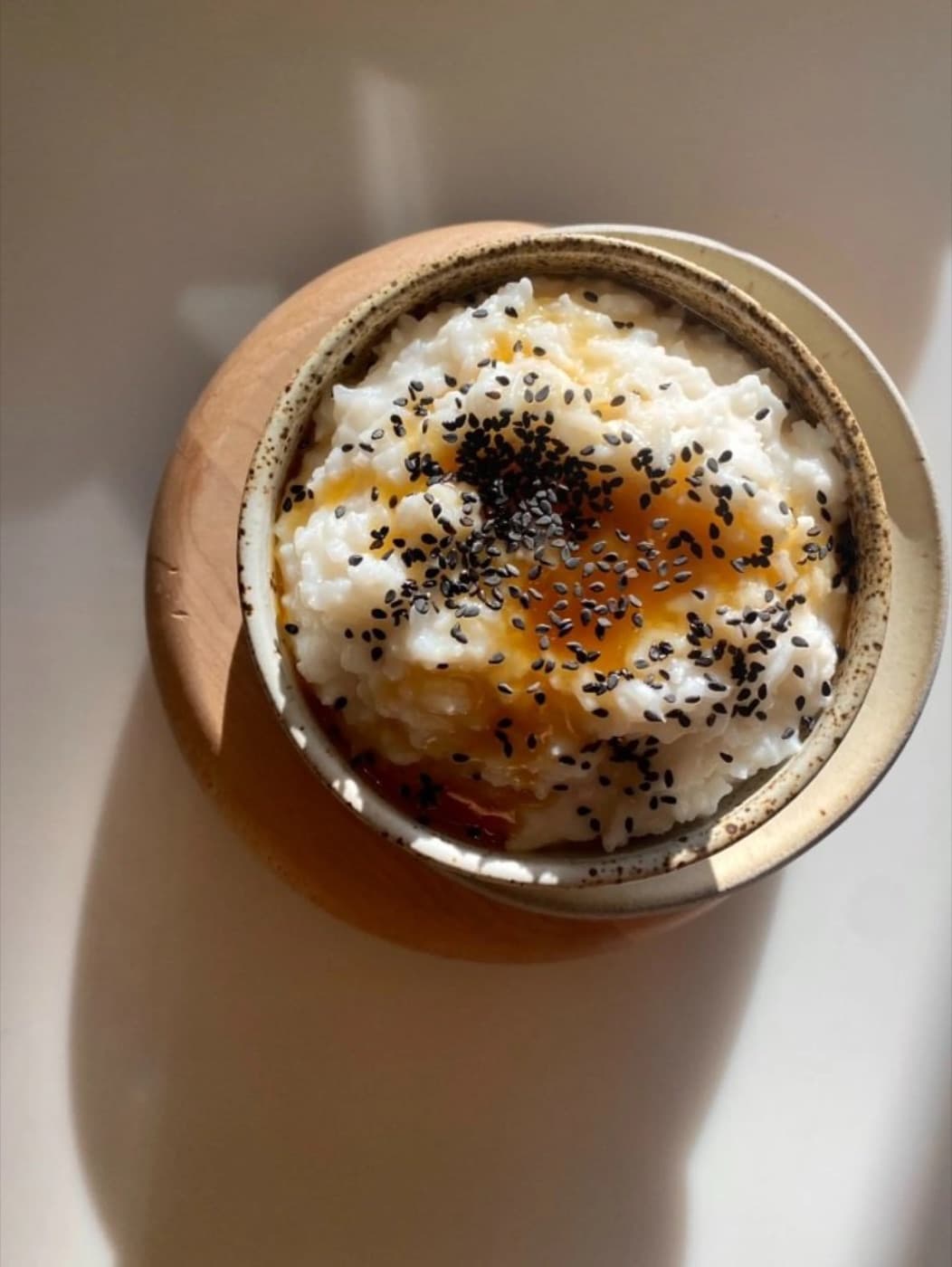
- Warm, cooked meals. Soups, stews, porridges, and braises are gentle on digestion and easy to eat slowly.
- Protein at most meals. Eggs, chicken, fish, lentils, and yogurt help your body repair.
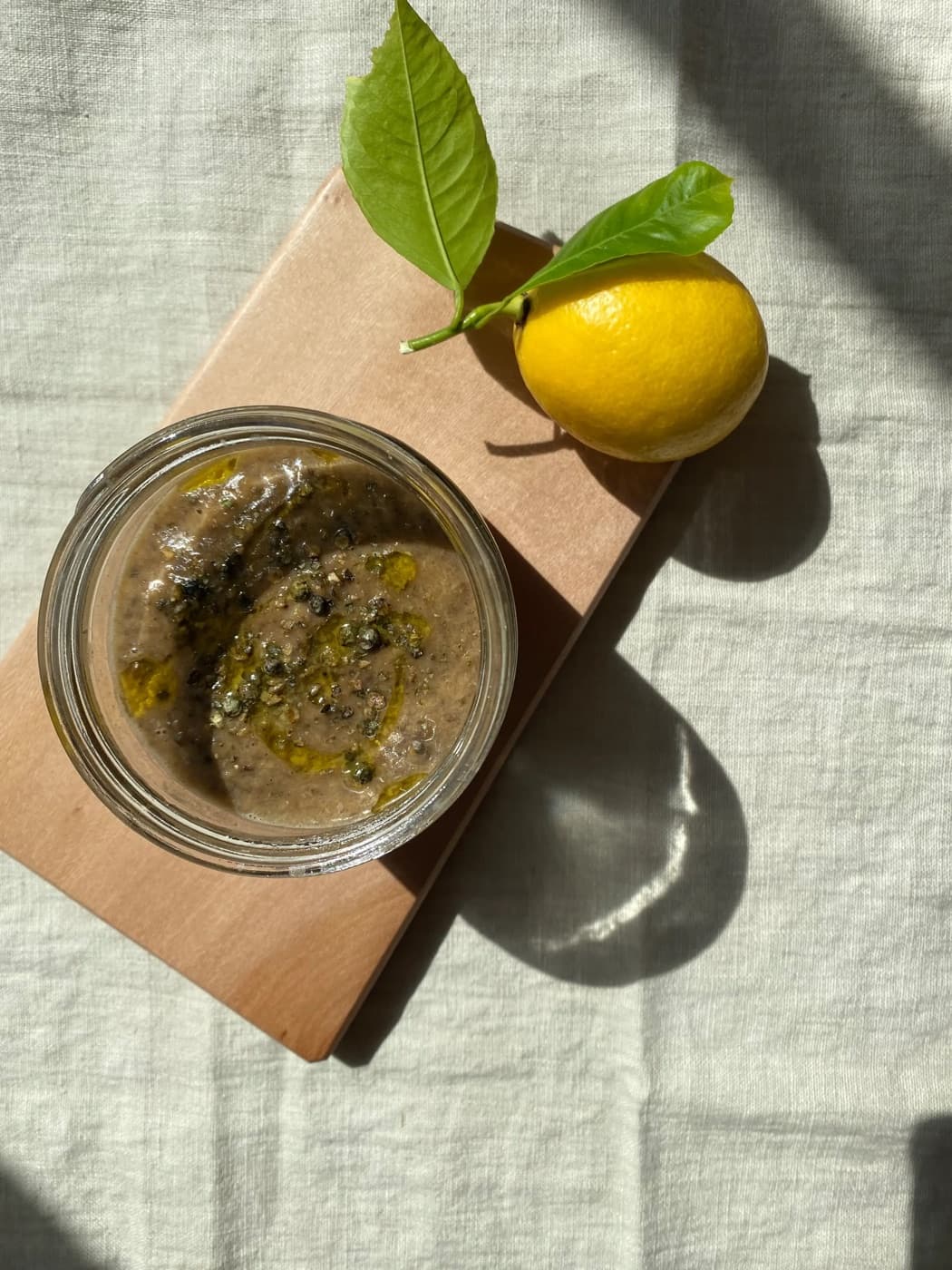
- Iron-rich foods. Red meat, dark poultry, lentils, and cooked greens help replenish what was lost at birth. Pair plant sources with a little vitamin C, such as lemon or tomato.
- Healthy fats. Ghee, olive oil, avocado, nuts, and seeds bring richness and help your body absorb vitamins A, D, E, and K.
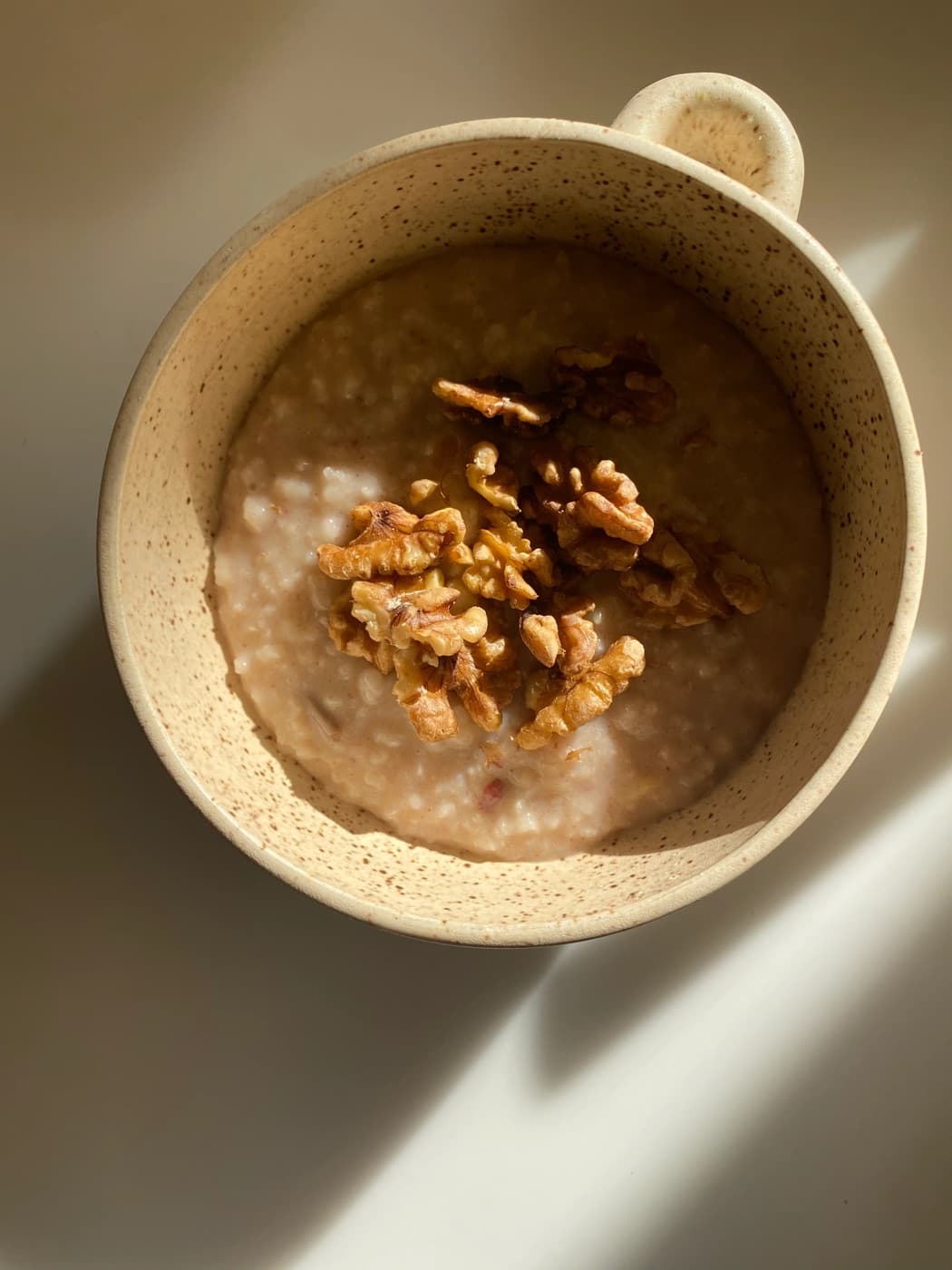
- Fiber with fluids. Oats, cooked vegetables, and stewed prunes, taken with plenty to drink, keep digestion comfortable.
Do your calorie needs change?
Breastfeeding raises energy needs, so a mother who is not breastfeeding generally needs fewer extra calories. Recovery asks a lot of your body, so the early weeks are a time to eat to appetite, choose nourishing meals, and let any focus on weight wait until you feel rested and steady. Your provider can help when you are ready.
What about mood and rest?
Hormones shift sharply after birth for every mother. Regular meals help keep energy steadier through long days and short nights. Protein and complex carbohydrates at breakfast, and a snack within reach in the evening, can make the hours easier.
If low mood, worry, or tearfulness last more than two weeks or feel heavy, please talk to your provider. Postpartum depression and anxiety are common and treatable, and they can affect any mother, however she feeds her baby.
How can you make it easy?
- Keep a few reheatable meals in the freezer for the first weeks
- Let others cook, and tell them what you like
- Keep snacks where you sit with the baby, along with a full glass of water
- Use the time someone else is giving a bottle to sit and eat a warm meal
Milky Oat meals are made for postpartum recovery and suit every feeding journey. Breakfast, lunch, dinner, a snack, and a nourishing sip or broth arrive at your door across the Bay Area. See the plans.
Your recovery is worth feeding well, whatever your feeding story.