The best time to plan postpartum food is the third trimester, while you still have energy, a free hand, and a little time each week. A few weeks of steady preparation means the first days home start with meals ready and one less thing to think about.
Why plan food before the baby comes?
In the early weeks after birth, your body is healing, you are feeding a baby around the clock, and sleep comes in short stretches. Cooking is usually the first thing to fall away.
Many traditions treat the weeks before birth as a time to prepare for the weeks after. Families in China, India, Latin America, and elsewhere stock pantries, simmer broths, and line up help well ahead of the due date. The idea holds up today: decide now, so you rest later.
When should you start?
Around 32 to 34 weeks is a comfortable time to begin. You are far enough along to plan with a date in mind, and early enough that a surprise early arrival does not catch you with an empty freezer.
Spread the work across a few weekends. One or two cooking sessions a week is plenty.
What freezes and reheats well?
Choose warm, soft, cooked foods that hold their texture after freezing.
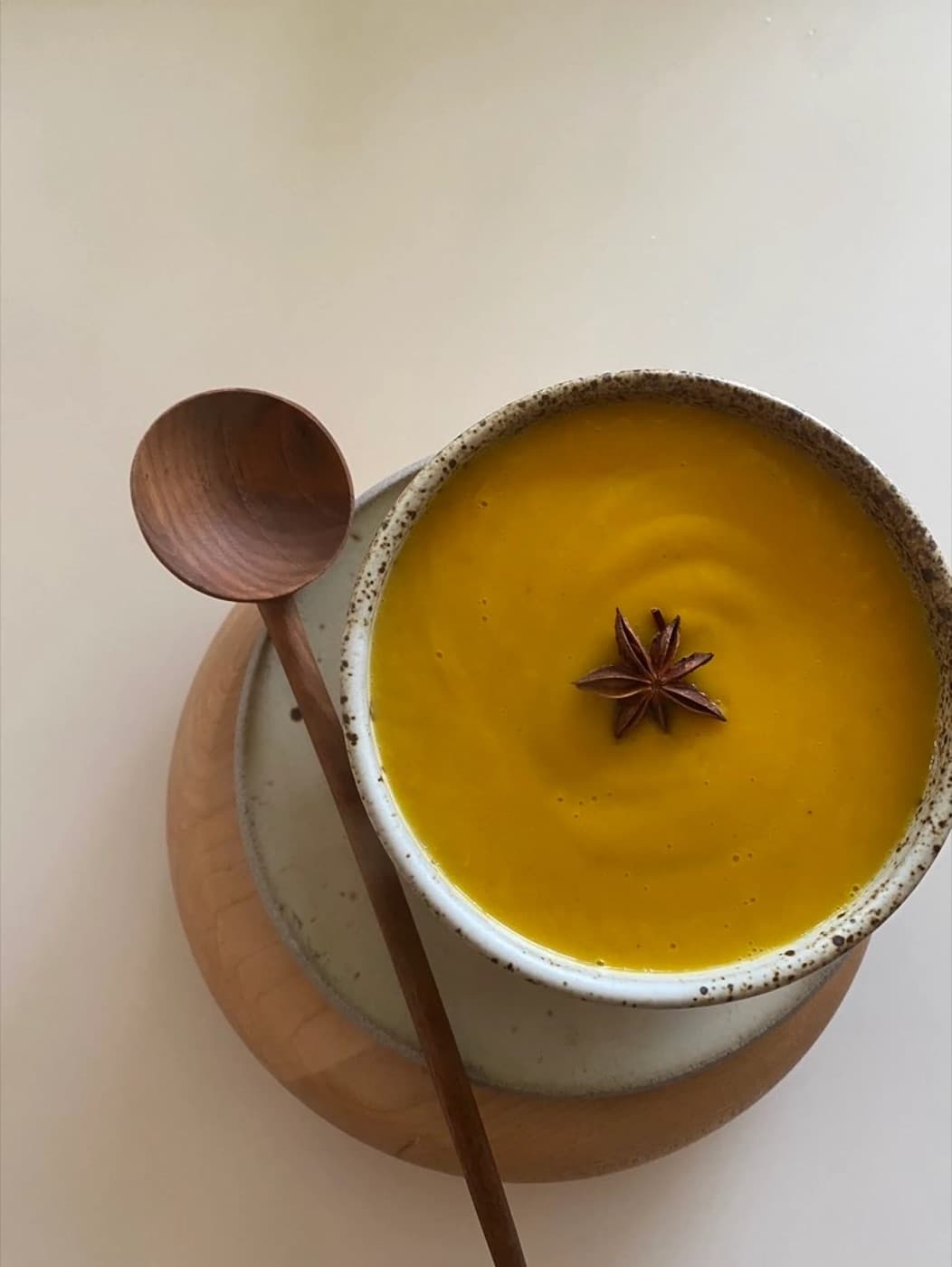
- Soups and stews. Lentil soup, chicken and vegetable stew, and bean chili reheat beautifully.
- Broths. Freeze bone or vegetable broth in mug-sized portions for sipping.
- Braises and curries. Dal, braised chicken thighs, and coconut curries keep their flavor.
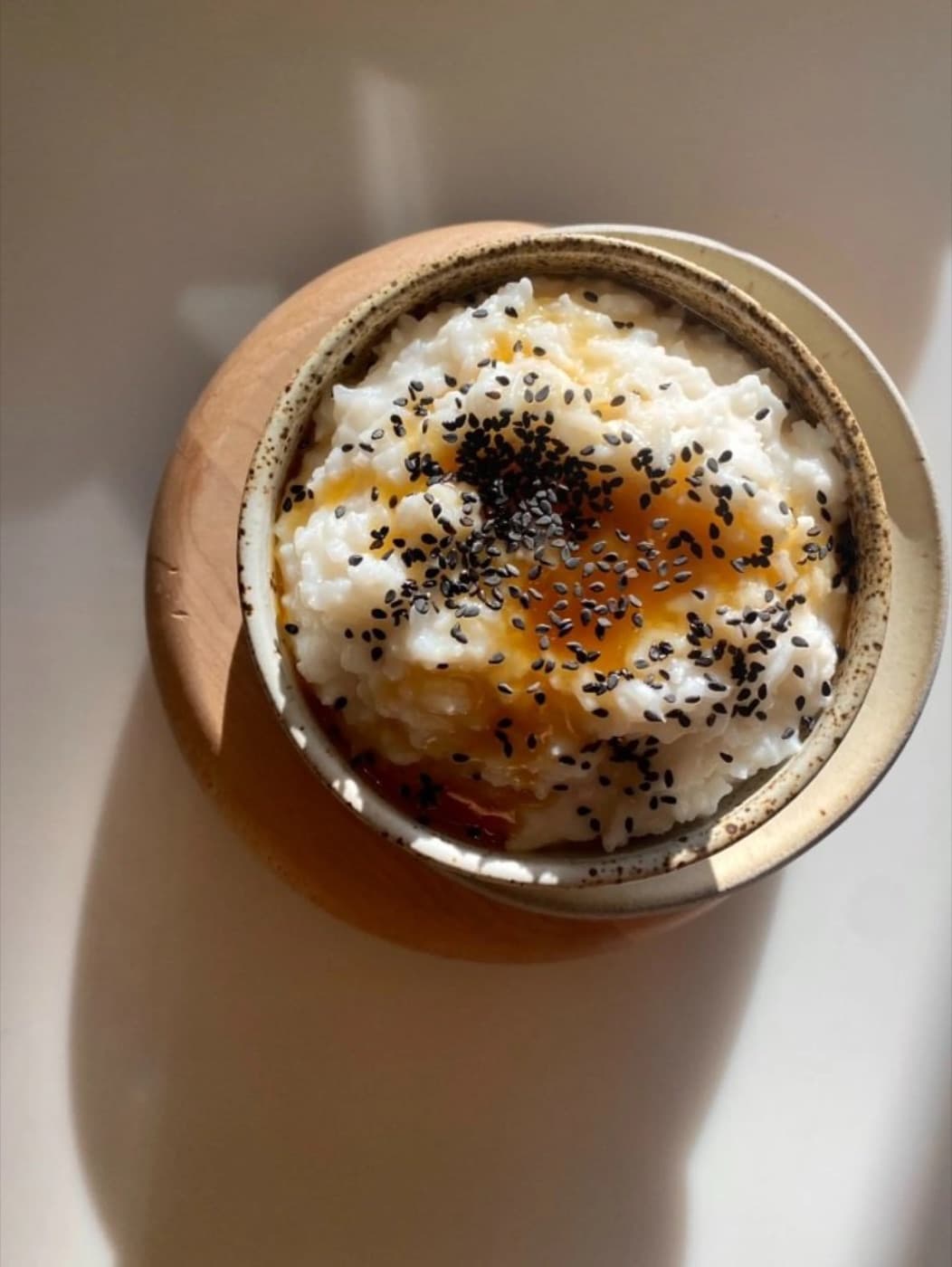
- Grains. Cooked rice, quinoa, and congee freeze well in single portions.
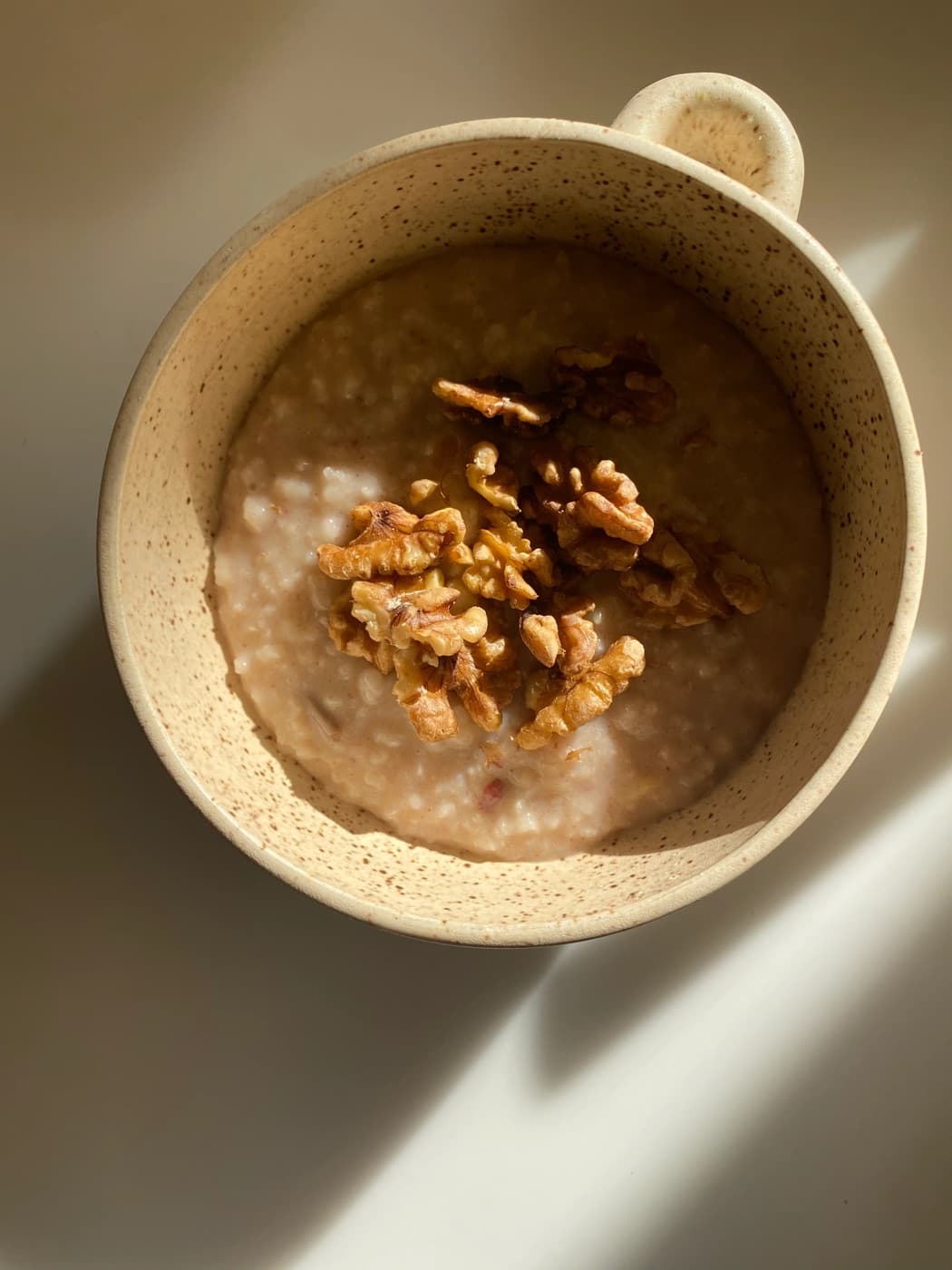
- Breakfasts. Baked oatmeal, egg muffins, and soft breakfast burritos warm up quickly.
- Snacks. Energy bites and lactation cookies can be frozen and eaten straight from the bag.
Freeze in flat bags or single-serving containers, and label each with the dish, the date, and how to reheat it. Most frozen meals are best eaten within two to three months.
What should the pantry hold?
A stocked pantry makes simple meals possible on tired days.
- Oats, rice, and red lentils
- Ghee, olive oil, and sesame oil
- Nut butters, nuts, and seeds
- Dates, dried apricots, and prunes
- Canned coconut milk, beans, and tomatoes
- Herbal teas you enjoy
How do you plan for the first two weeks?
Write a simple list of breakfasts, lunches, dinners, and snacks for fourteen days, then check it against what is in the freezer. Fill the gaps with dishes a partner or relative can make, or with delivered meals.
Keep one-handed snacks by the spot where you will feed the baby, along with a full water bottle.
Who can help, and how?
Most people want to help and are glad to be given a clear job. Pick one person to coordinate a meal schedule across the first four to six weeks, since offers often slow down after the first few days. Share any allergies and preferences with them now.
A registry is another way to turn offers into meals. You can start a Milky Oat registry so family and friends can give toward your postpartum meals.
Can meal delivery be arranged before birth?
Yes. You can order a Milky Oat plan up to ten months ahead and choose a date around your due window. Our team reaches out as your date approaches to confirm your first delivery, so the plan moves with your baby's timing. See the plans.
A little planning now is a gift to the person you will be in a few weeks: fed, warm, and free to rest.