Postpartum nutrition changes week to week as your body's priorities shift: from early healing, to rebuilding after blood loss, to sustained energy for feeding and caregiving. A six-week framework, moving from warm, simple, easily digestible foods toward more variety and routine, follows how recovery tends to unfold.
This is nourishment guidance rooted in Ayurvedic postpartum principles, not medical advice. Always follow your OB, midwife, or IBCLC's guidance for your own recovery and feeding needs.
Week 1: Restore
The first week is about digestion and warmth. Your body just did enormous work, whether through vaginal birth or cesarean, and in Ayurveda, digestive fire (called agni) is considered low right after delivery.
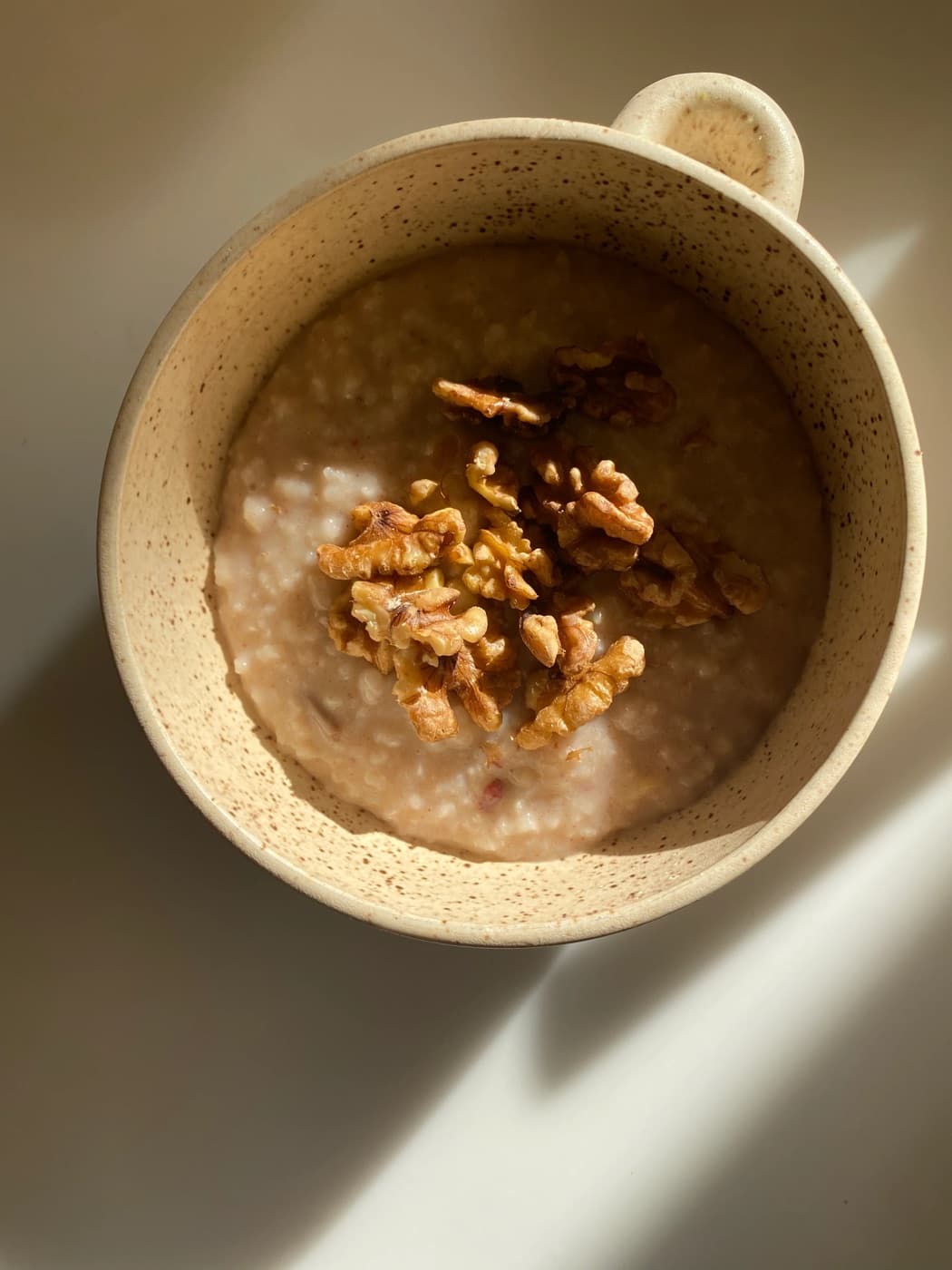
- Favor warm, soft, well-cooked foods: rice porridge, kitchari, soft-cooked vegetables
- Use warming spices like ginger, cumin, and fennel
- Skip raw salads, cold drinks, and heavy or fried foods for now
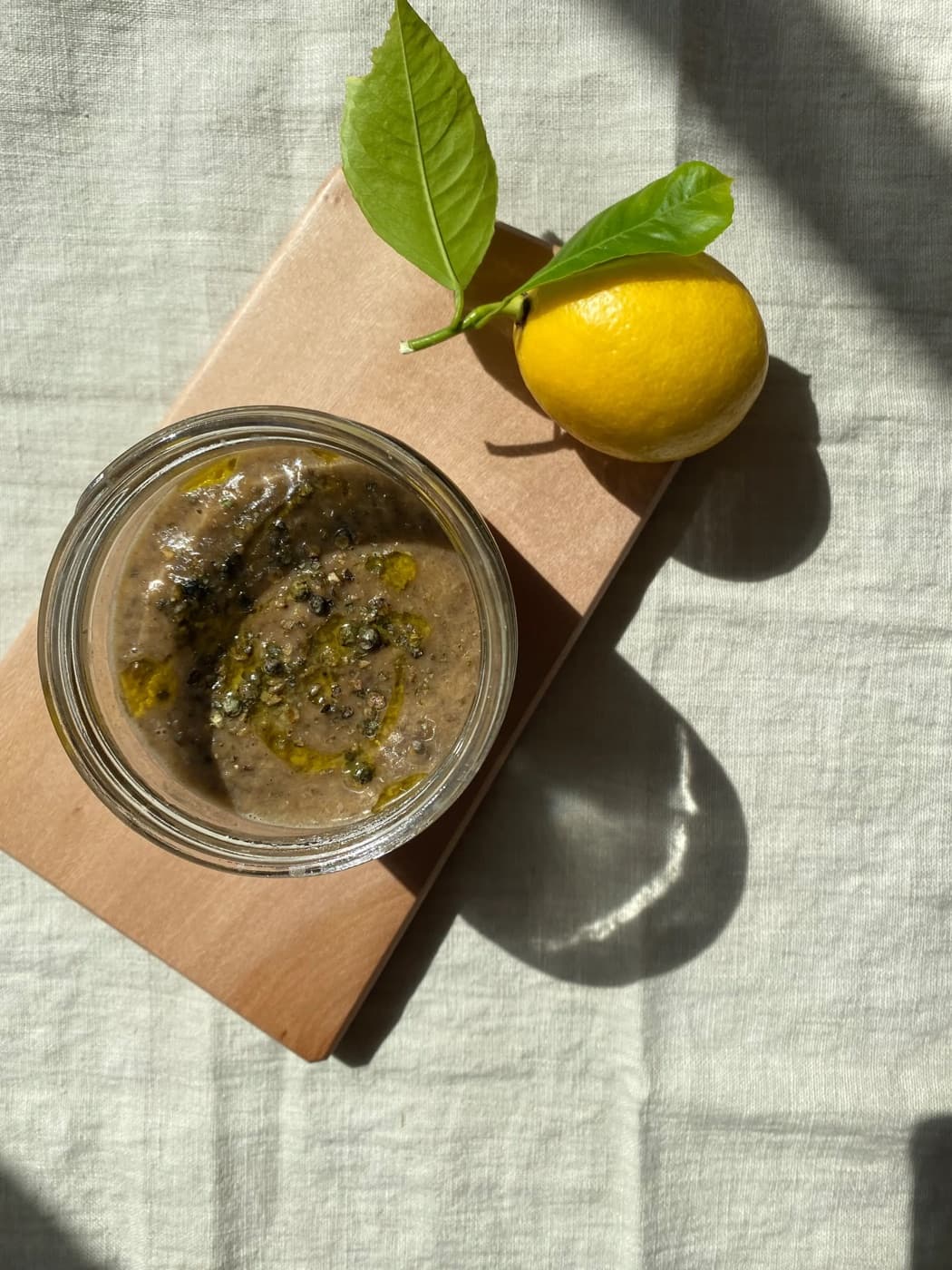
- Bone broth or a well-simmered vegetable broth is hydrating and gentle
The goal here is simple: give your digestion as little work as possible while you recover.
Week 2: Rebuild
By week two, many mothers are ready for more substance, especially protein. Blood loss at birth is common even in straightforward deliveries, so iron-rich foods deserve attention.
- Slow-cooked meats, lentils, and eggs for protein
- Iron-rich foods like dark leafy greens, beef, and black sesame, paired with vitamin C to aid absorption
- Warm preparations: stews, braises, soups
- Healthy fats like ghee for richness and staying power
If you notice ongoing heavy bleeding, dizziness, or fatigue that feels out of proportion, talk with your provider.
Week 3: Replenish
Week three often brings a dip in energy as the first rush after birth fades and round-the-clock feeding sets in. Hydration and steady nourishment become central.
- Broths (bone broth, seaweed broth) for warmth and hydration
- Nuts, seeds, and whole grains for steady fuel
- Warm, caffeine-free drinks between meals
- Cooked, warm meals as the default
This is also a common time for mood shifts. Regular meals with protein and fat help keep energy steady. If your mood feels heavy or hard to shake, tell your provider.
Week 4: Steady Energy
By week four, many mothers are moving more and sleep is (hopefully) a little less erratic. Nutrition now turns toward sustaining energy across a longer, more active day.
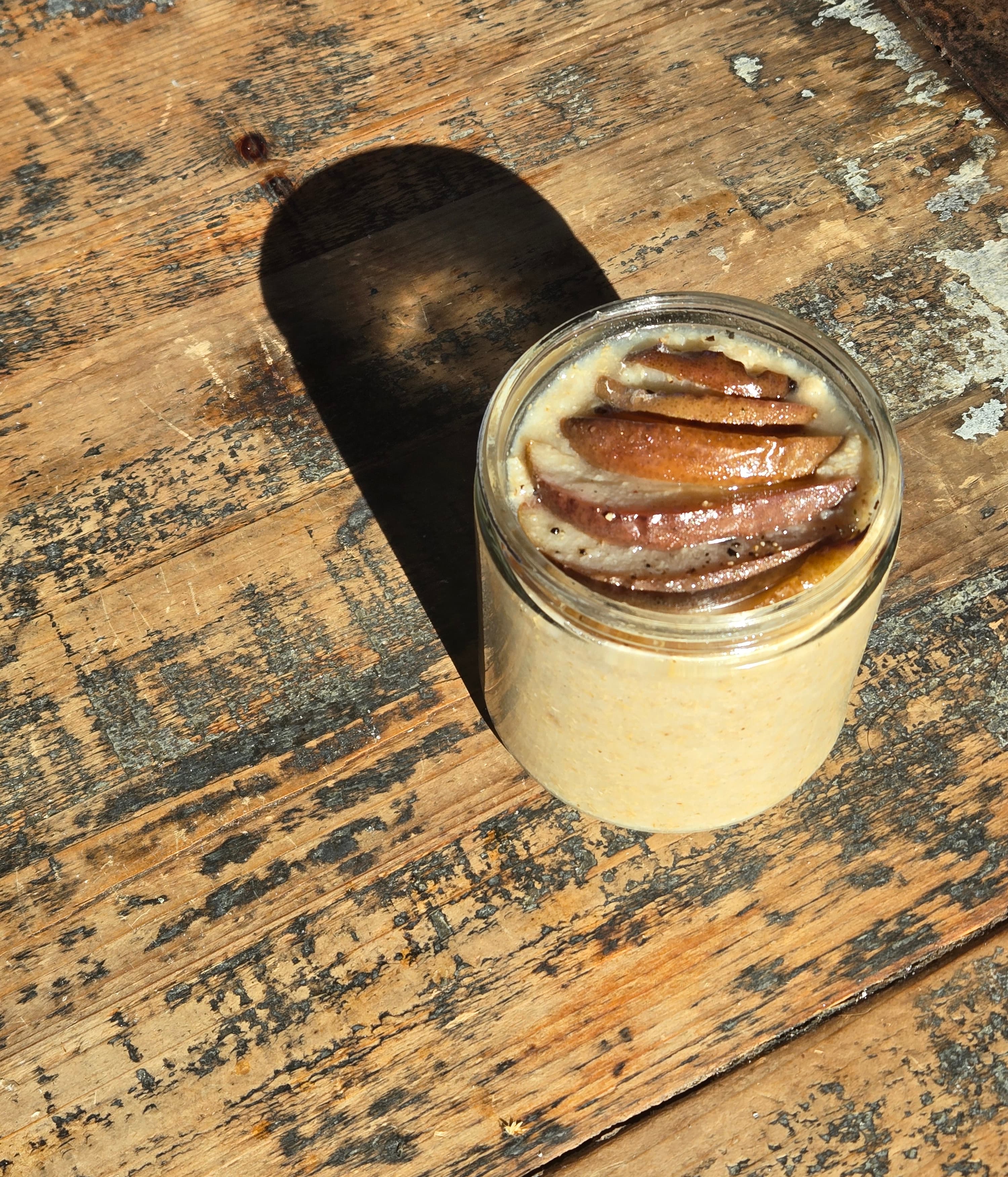
- Complex carbohydrates like sweet potatoes, oats, and whole grains for lasting fuel
- Protein at every meal
- A wider range of vegetables, still favoring cooked
- Regular meal times, since skipped meals hit harder when you're also feeding a baby around the clock
Think of this week as building a rhythm you can sustain: a pattern of eating that fits the reality of newborn care.
Week 5: Lactation Support
If you're breastfeeding or chestfeeding, milk production is typically well established by now. Calorie and fluid needs are higher than they were before pregnancy.
- Oats, fennel, fenugreek, and sesame are traditionally used to support supply, though every body responds differently
- Steady hydration, with warm water and herbal teas in place of iced drinks, per Ayurvedic warming principles
- Healthy fats (ghee, avocado, nuts) for steady energy
- Continued iron and protein
For supply concerns, pain with feeding, or questions about intake, an IBCLC or your pediatrician is the right guide. Good food supports feeding alongside their care.
Week 6: Sustainable Routines
Six weeks in, many mothers have a follow-up visit and a sense of where recovery stands. Nutritionally, this week is about consolidating habits that can carry you forward.
- A wider variety of whole foods, still leaning on warm, cooked meals as a default
- Batch-cooked staples (grains, beans, broths) that make daily eating easier
- Iron, protein, and healthy fats as baseline needs
- Flexibility: the warmth-first approach of week one can relax into a more varied pattern
Recovery continues well past six weeks. This is often when the early rebuilding phase gives way to longer-term nourishment, the kind that carries you through months of feeding, broken sleep, and healing still ahead.
How Milky Oat builds around this
The same thinking runs through Milky Oat's menus: warm, easy-to-digest meals with iron-rich and lactation-supportive ingredients, so mothers don't have to plan any of it while caring for a newborn.
Every body recovers at its own pace. Treat this framework as a guide, and adjust it to what your provider recommends and what your body tells you it needs each week.