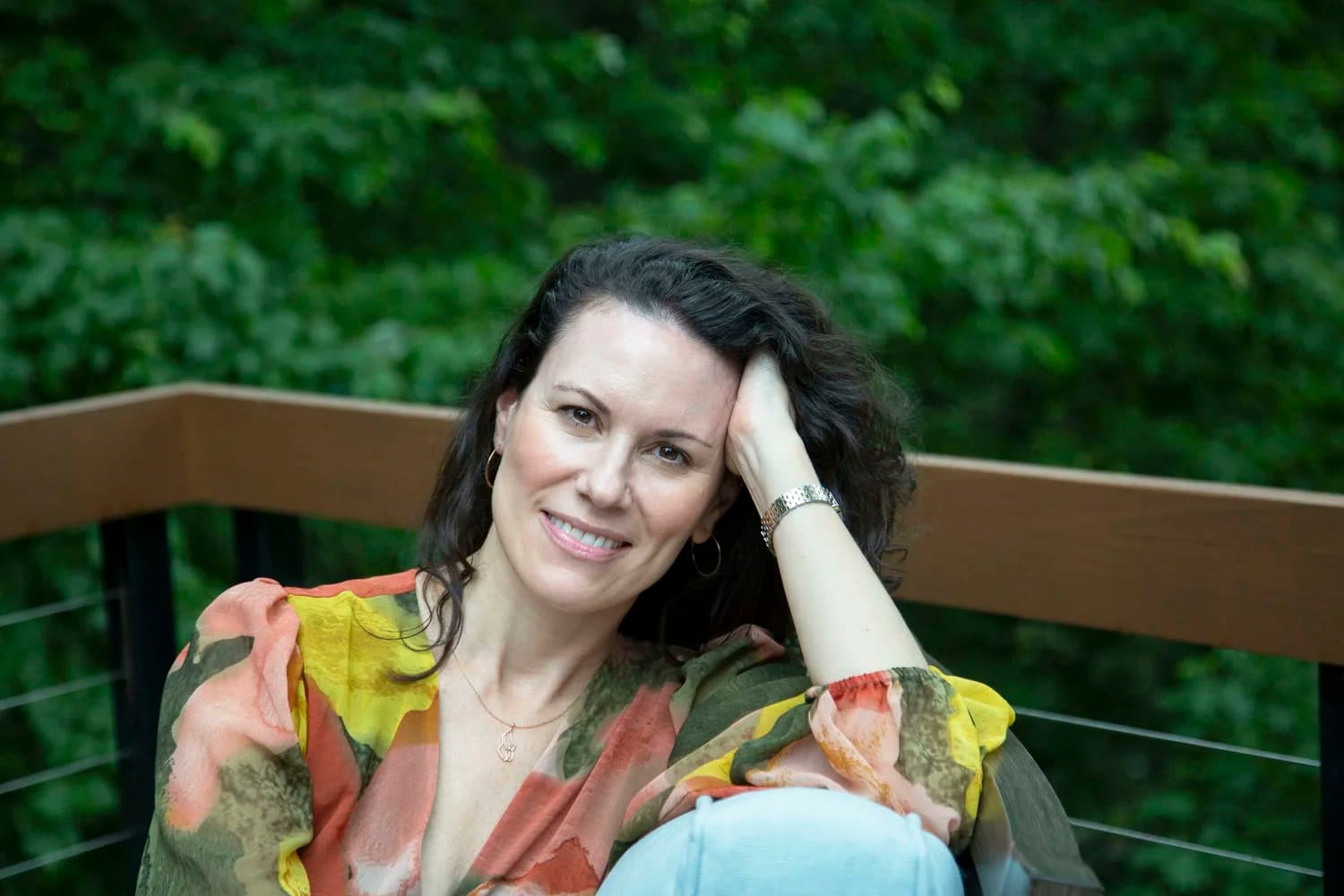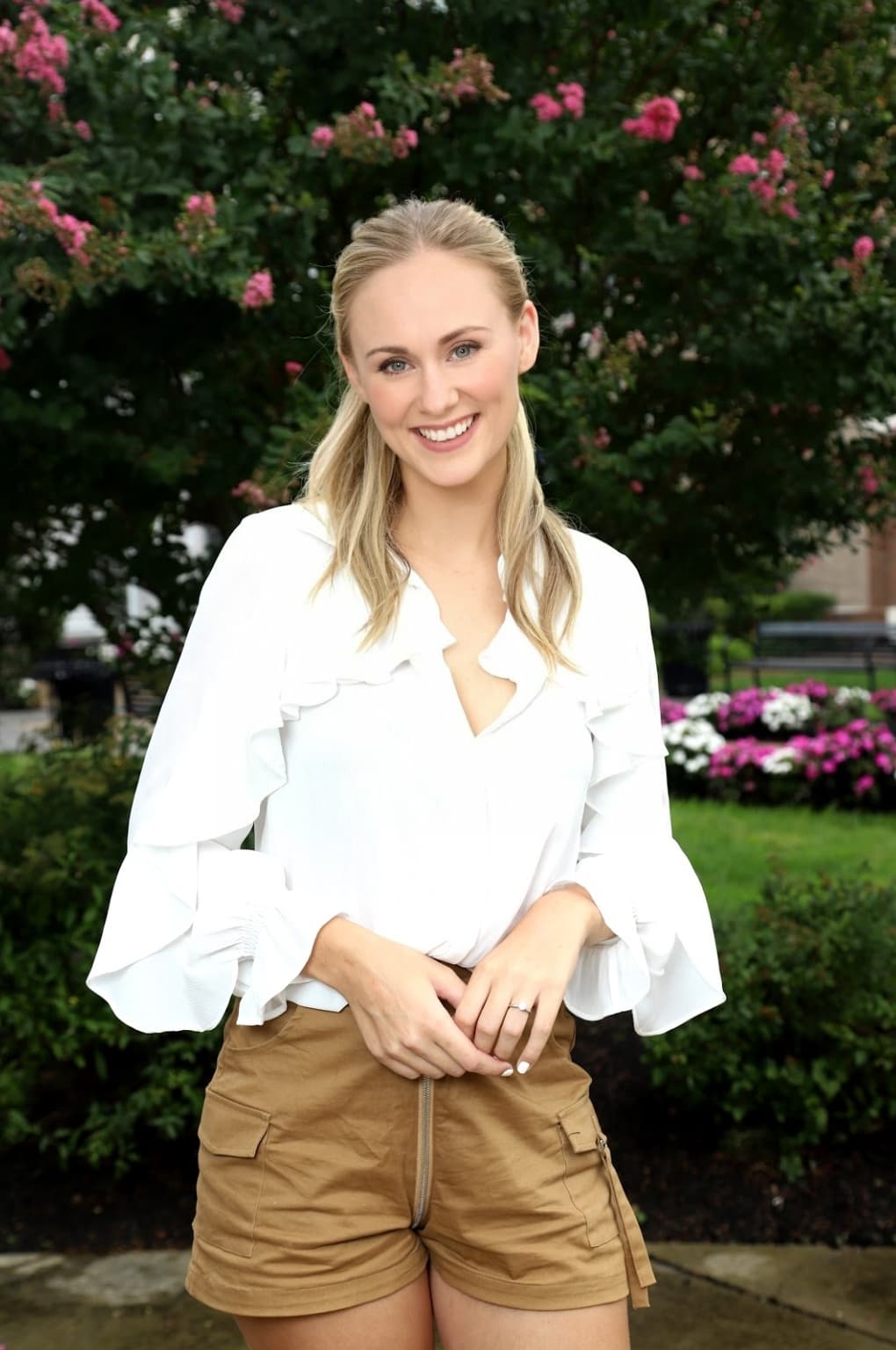
Mia Barnes is the Founder and Editor-in-Chief of Body+Mind Magazine, a health and wellness publication built on the belief that knowledge is power. She has written about pregnancy, postpartum and early motherhood for outlets including Her Agenda, with a reporter's eye for the space between what new mothers are told to expect and what they live through. Years of covering workplace wellness give her a clear view of how companies care for new parents. We asked her to join MAMAzine because she brings the practical, searchable questions and the quieter realities of recovery into one conversation.
You started Body+Mind Magazine as a way to make health and wellness information accessible, with a belief that knowledge is power. What was the gap in mainstream health coverage that made you feel a new publication was necessary?
There's a common joke, "WebMD diagnosed me," where you Google your symptoms and, suddenly, you have 10 possible illnesses. It's easy to end up more anxious and confused than when you started. That's really what inspired me to launch Body+Mind. I wanted to offer health and wellness advice that feels like hearing from a big sister or a trusted friend, rather than a faceless search engine.
As someone who struggled with health anxiety, I know how overwhelming medical information on the internet can feel. Our goal has always been to create a safe, approachable space where people can sift through the noise and figure out what's truly right for them.
Your piece on corporate moms balancing executive careers with pregnancy and early motherhood for Her Agenda digs into how women manage the collision of ambition and a changing body. What surprised you most as you reported that story?
Honestly, I'm rarely surprised anymore by how challenging it is for new moms who are also ambitious professionals. I see the struggles come up so often, both in my reporting and in real life. I know that the risk of burnout is high, especially for women who hold themselves to high standards at work and at home.
What continues to surprise me is just how persistent these difficulties are, despite greater awareness and better conversations about working motherhood. Nearly half of mid- to high-income working moms experience burnout, and 38% of millennial moms say they feel frequently burned out, which is substantially higher than burnout rates for the general workforce. It's a reminder that there's still so much work to be done to truly support working moms.
You have written about workplace wellness and benefits for years, often from the outside looking into how companies support (or fail to support) new parents. What do you wish more employers understood about postpartum recovery specifically?
If there's one thing I wish employers understood, it's that postpartum recovery isn't just about physical healing. It's also deeply emotional, yet the mental and emotional aspects often go unnoticed. There's the heartbreak of missing your baby when you go to work, the pang of separation on the first daycare drop-off, and the waves of anxiety many first-time parents experience. Until you've been through it, it can be hard to grasp just how profound that emotional toll can be.
Pieces like your guide to U-shaped pregnancy pillows sit next to deeper reporting on seasonal wellness and women's health. How do you decide which practical, body-level topics deserve real editorial attention rather than being treated as an afterthought?
I always try to prioritize those universal, everyday experiences that moms are Googling at 1 a.m. They usually have practical questions that, if answered well, can ease anxiety or provide clarity. Whether it's reviewing the best U-shaped pregnancy pillows or exploring seasonal wellness hacks, I believe these topics deserve just as much attention as any deep-dive investigation. If a question is highly searched and relevant to our readers' lives, I want Body+Mind to provide clear, compassionate answers.
As a journalist rather than a clinician, you often translate research and expert voices into something usable for readers. What has your reporting on natural healing and postpartum taught you that you did not expect to learn secondhand?
One of the most eye-opening lessons has been witnessing the gap between clinical milestones and how women truly feel during recovery. For instance, a new mom might check every box on her follow-up exam, such as healed incisions and being cleared for exercise, but still be struggling with bone-deep fatigue, brain fog, or lingering discomfort.
Bridging that gap means learning to validate symptoms that usually don't show up in lab results and helping women explore solutions for sleep, micronutrients, and stress management. It's taught me to listen more closely to lived experience, not just clinical charts.
Looking at the current landscape of postpartum coverage, from social media to mainstream outlets, where do you still see the biggest blind spots for mothers?
What surprises me most is just how surprised other women are. Many say, "I wish I had known this!" or "I thought it was only me!" when talking about pregnancy, birth, or what postpartum is really like. There's such a lack of comprehensive, relatable education about women's bodies and health.
As a result, pregnancy and postpartum recovery can feel almost foreign, even for women who've followed every rule in the book. It's kind of wild, because how is it that, in 2026, so many of us are still left in the dark about what actually happens to our bodies? We still have a long way to go to make this knowledge accessible and to normalize open conversations.
What is nourishing you right now, personally or editorially, and is there a story or topic at Body+Mind you are especially eager to dig into next?
Lately, I've found a lot of nourishment in embracing slow living. I used to dread running errands, grocery shopping felt like a chore, but I've come to appreciate the calm in everyday routines. Editorially, the Body+Mind team and I are especially passionate about digging into the less glamorous, often overlooked sides of health, wellness, and womanhood. Honestly, I think we need to talk way more about the unfiltered, uncomfortable realities that actually shape our lives.