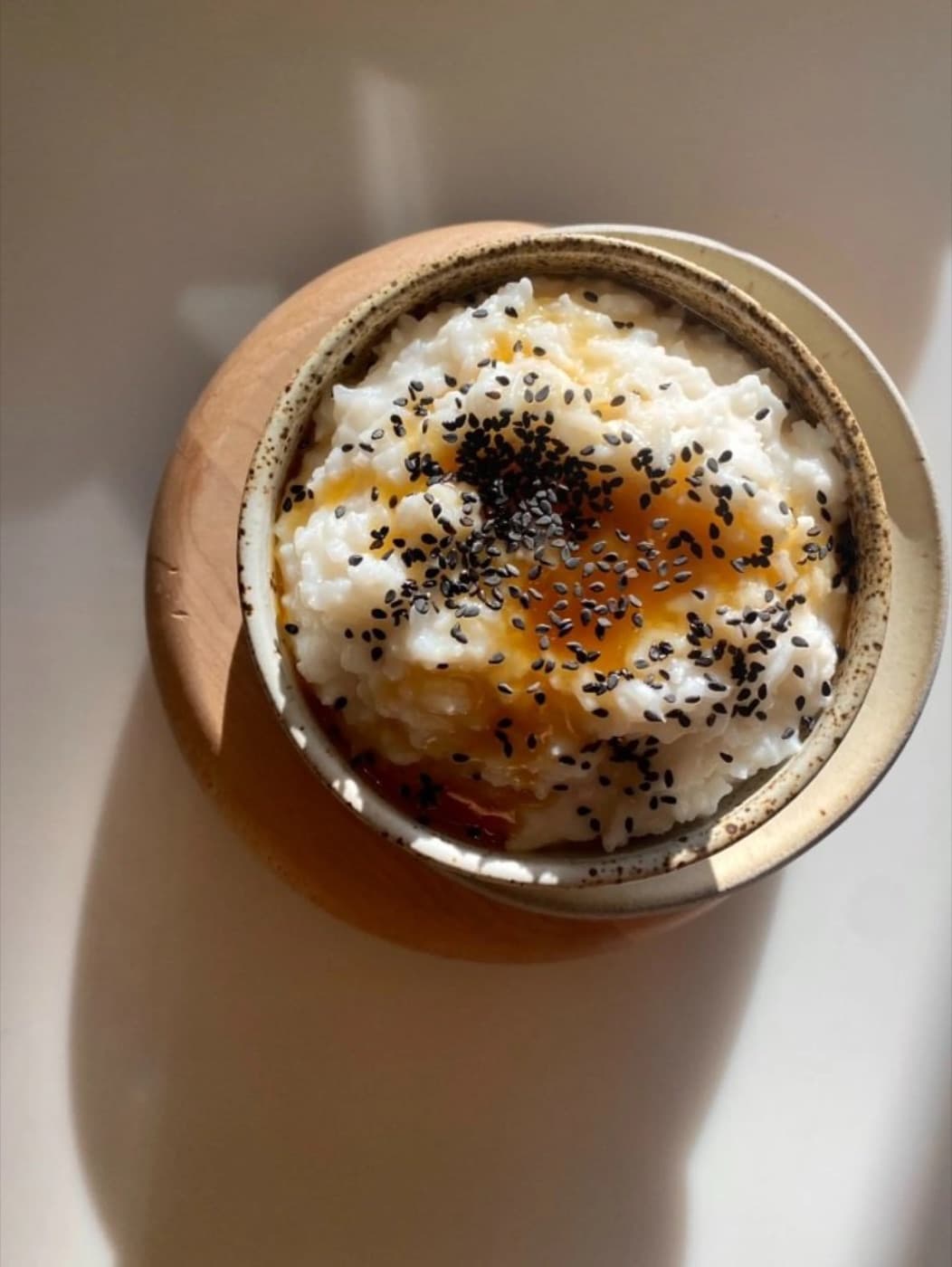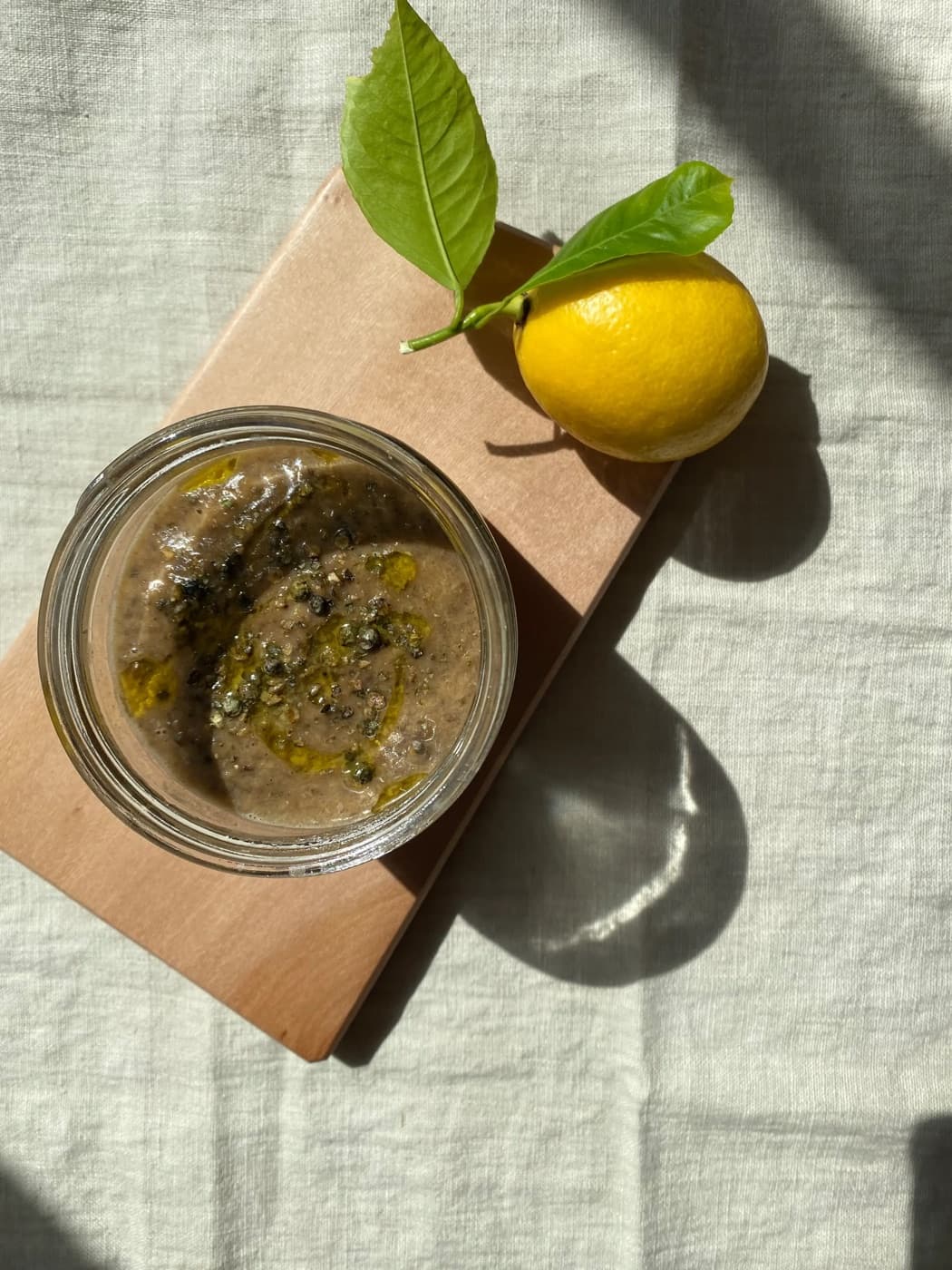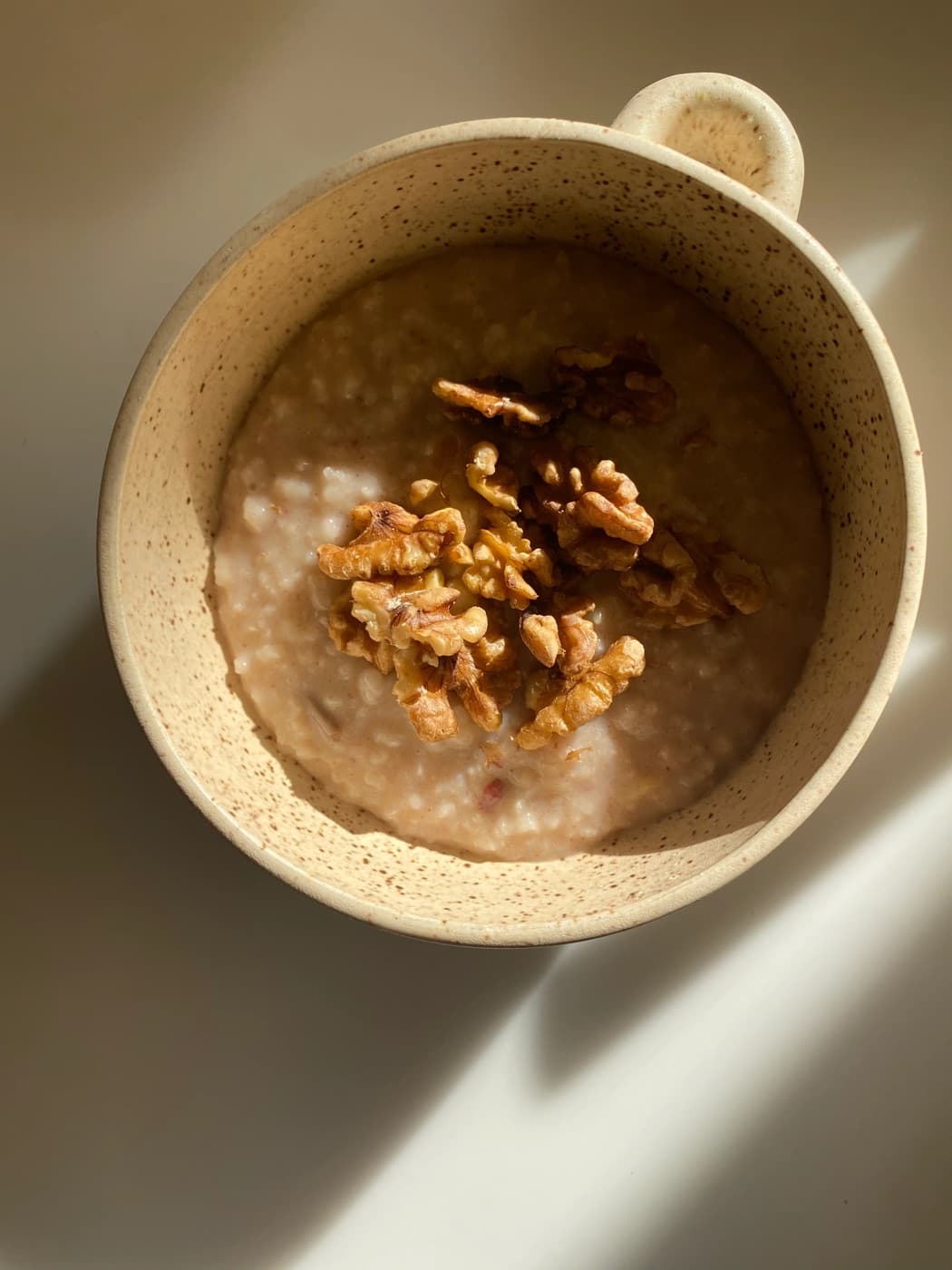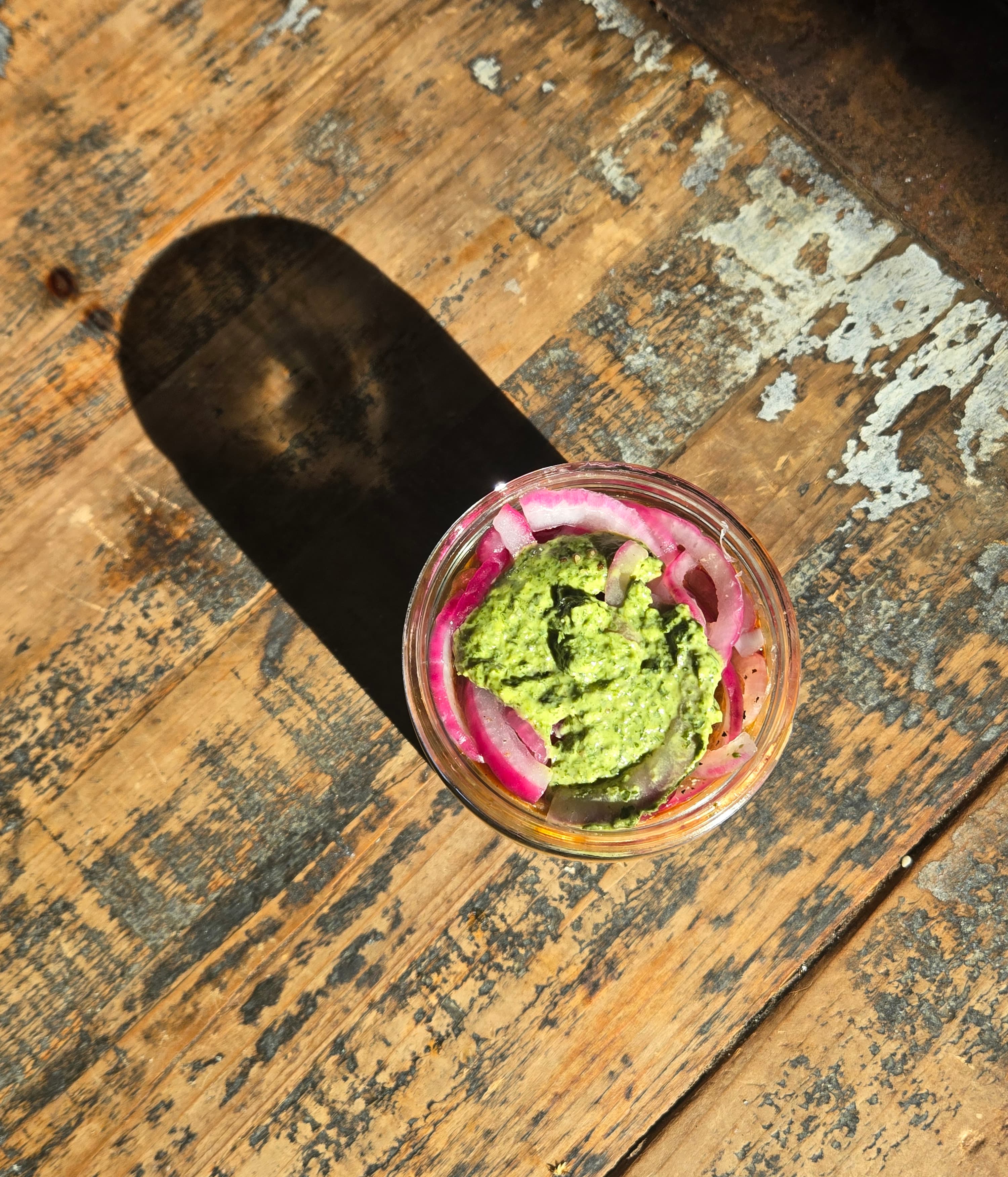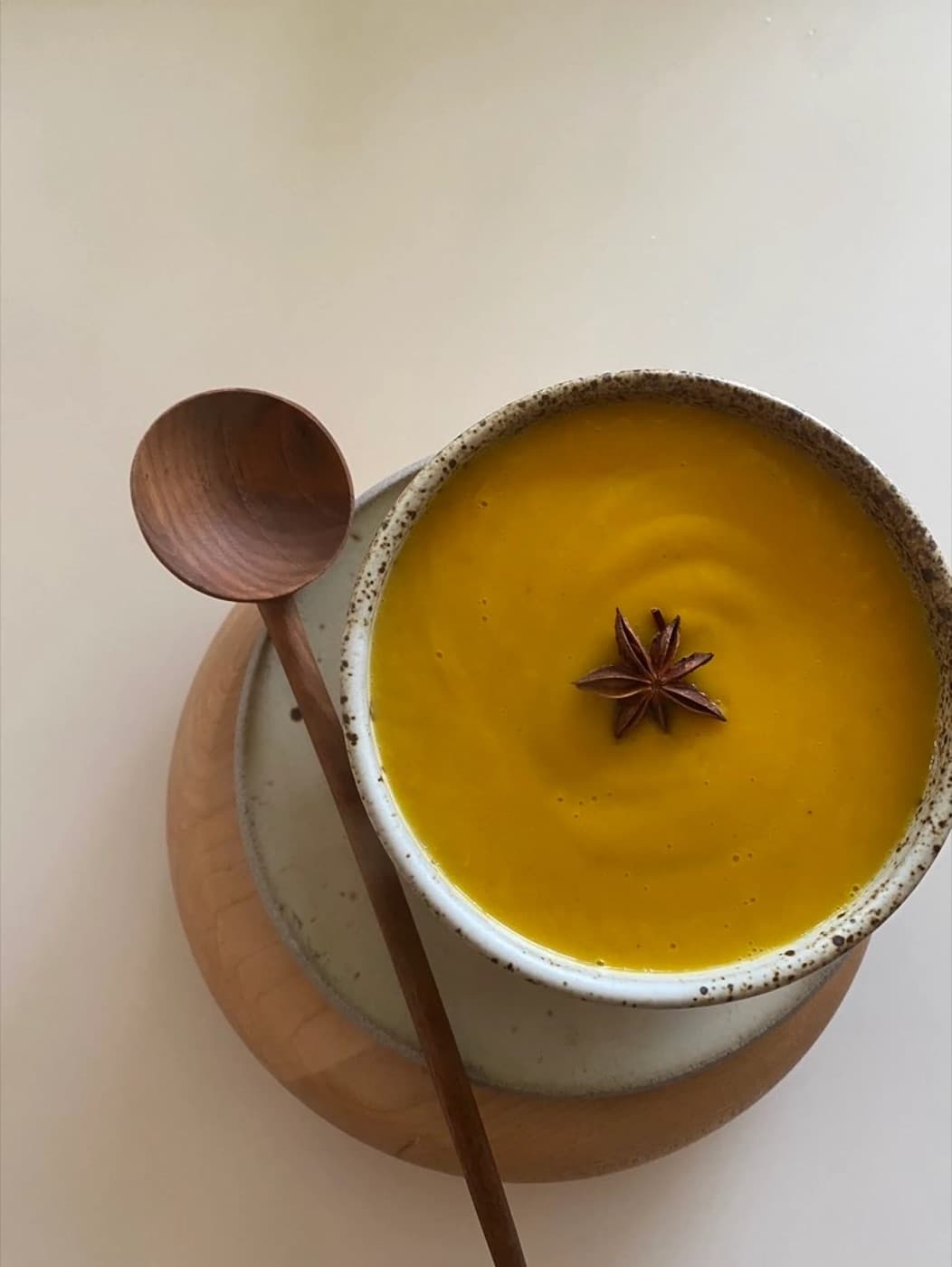
Jaappa, the roughly 40-day postpartum confinement period recognized across much of India, is built on one central idea: a new mother's body has done enormous work, and it now needs specific foods, rest, and warmth to rebuild. Milky Oat's menu was designed by an Ayurvedic Postpartum Doula using these same principles, so if you are looking for jaappa-aligned meals in the Bay Area, you are in the right place.
What is jaappa?
Jaappa (also spelled jaapa or chilla in different regions) refers to the traditional Indian postpartum rest period, typically lasting 40 to 45 days after birth. The word is used most commonly in North India, though the underlying practices exist across the subcontinent under different names. During this time, the new mother is ideally cared for by family, shielded from household duties, and fed specific foods at specific temperatures throughout the day. The aim is steady physical recovery.
In Ayurvedic terms, birth is understood to increase vata, the dosha associated with air and movement. Elevated vata after delivery shows up as cold, dryness, irregularity, and fragility in the body. The jaappa diet is designed to balance this: warm, unctuous, well-spiced, freshly cooked food meant to rebuild agni (digestive fire), restore ojas (vitality), and nourish dhatu (tissue) from the inside out.
What does the Ayurvedic postpartum diet actually look like?
The foods are specific, and each one has a reason behind it.
- Ghee is central. It is considered easy to digest, deeply nourishing, and a carrier for other nutrients and spices. It is also traditionally used to keep digestion moving in the early weeks, when constipation is common.
- Moong dal (split yellow mung) is the preferred pulse because it is considered the easiest legume to digest. It appears in dal, kitchari, and thin soups throughout the 40 days.
- Dry ginger (saunth) is the warming spice most closely associated with postpartum care. Saunth is considered to stoke agni gently.
- Carom seeds (ajwain) are traditionally used to ease digestion and gas in the early weeks.
- Fenugreek (methi) has long been used in Indian households to support milk supply. It appears in laddus, dal, and spiced waters. (If you have questions about galactagogues, your IBCLC or midwife is the right person to consult for your individual situation.)
- Turmeric is used for its warming quality and its traditional place in postpartum care, often stirred into warm milk or dal.
- Panjiri is a wheat-based preparation toasted in ghee with nuts, seeds, dry fruits, and warming spices. It is eaten as a snack and is dense with calories, fat, and flavor.
- Gond laddu (edible gum laddu) is another classic: edible gum (gondh) is puffed in ghee and combined with whole wheat flour, nuts, and spices. It is nourishing, warming, and traditionally given for the joints and back after delivery.
- Broths and soups are featured early in the postpartum period when digestion is at its most tender, before moving toward more substantial foods.
Cold food, raw food, and leftovers are avoided. In Ayurvedic thinking, cold dampens agni, raw food asks more of digestion, and leftovers have lost their freshness. The whole framework asks one question: is this food easy to receive?
Why does this matter in the fourth trimester?
The postpartum body is doing several things at once: healing, adjusting hormonally, producing milk if breastfeeding, and running on disrupted sleep. Ayurveda holds that strong digestion supports all of it, so jaappa puts warmth, rest, and easy digestion first.
This is why the tradition has carried across generations, and why it continues to resonate for families navigating modern life far from their extended family networks.
What happens when family is not there to cook?
Jaappa has always depended on a grandmother, a mother-in-law, or an aunt who knows the recipes and has the bandwidth to cook three times a day for six weeks. For many Bay Area families, that person is in another city or another country. The tradition is intact in memory and intention. The logistics are missing.
This is the gap Milky Oat was built to fill. Every meal we deliver is freshly cooked, made to be eaten warm, and built on the same warming, easy-to-digest principles. Our founder is an Ayurvedic Postpartum Doula and Mothers' Chef, so the menu comes from inside the tradition, adapted for a family who cannot have their nani in the kitchen right now.
For Indian and South Asian families in the Bay Area who want jaappa-aligned nourishment without the cooking falling on an exhausted partner or a faraway grandmother, Milky Oat is designed to feel like home.
A note on individual needs
Ayurvedic postpartum care is always individualized. Regional practices vary, family recipes vary, and every mother's body is different. We encourage you to follow your own family's traditions where they feel right, and to work with your care provider or an IBCLC for any questions about recovery, milk supply, or nutrition specific to your situation.