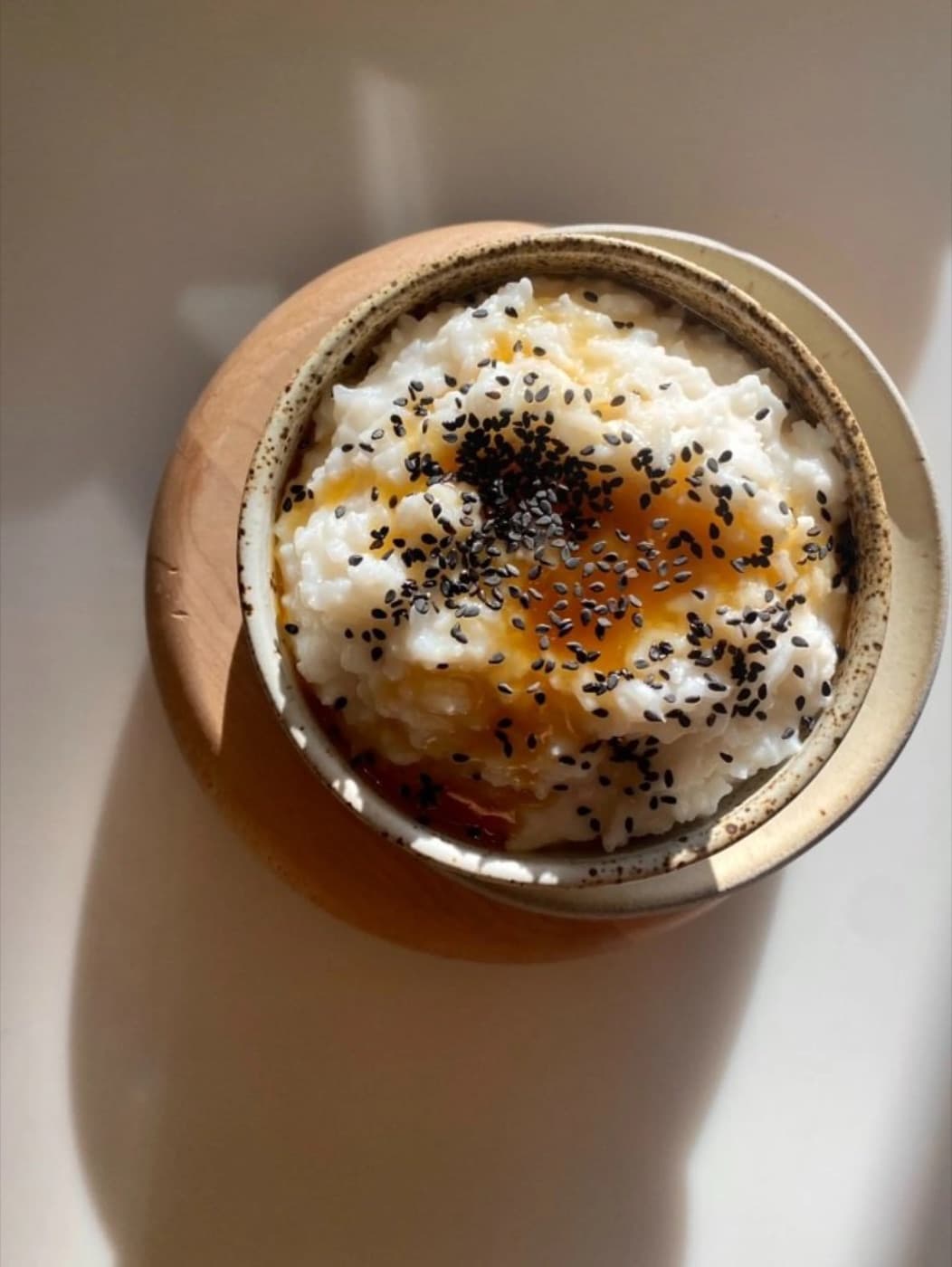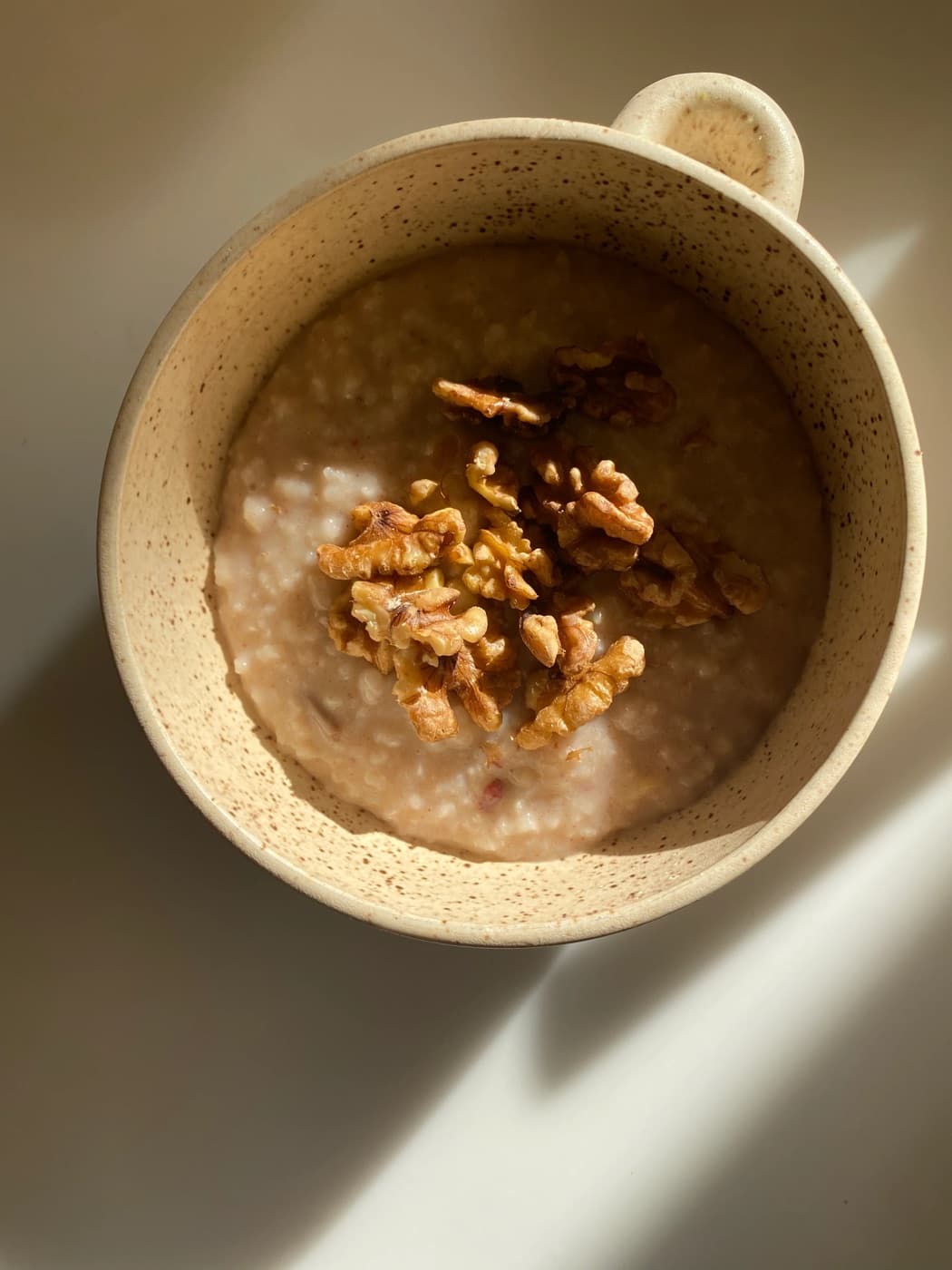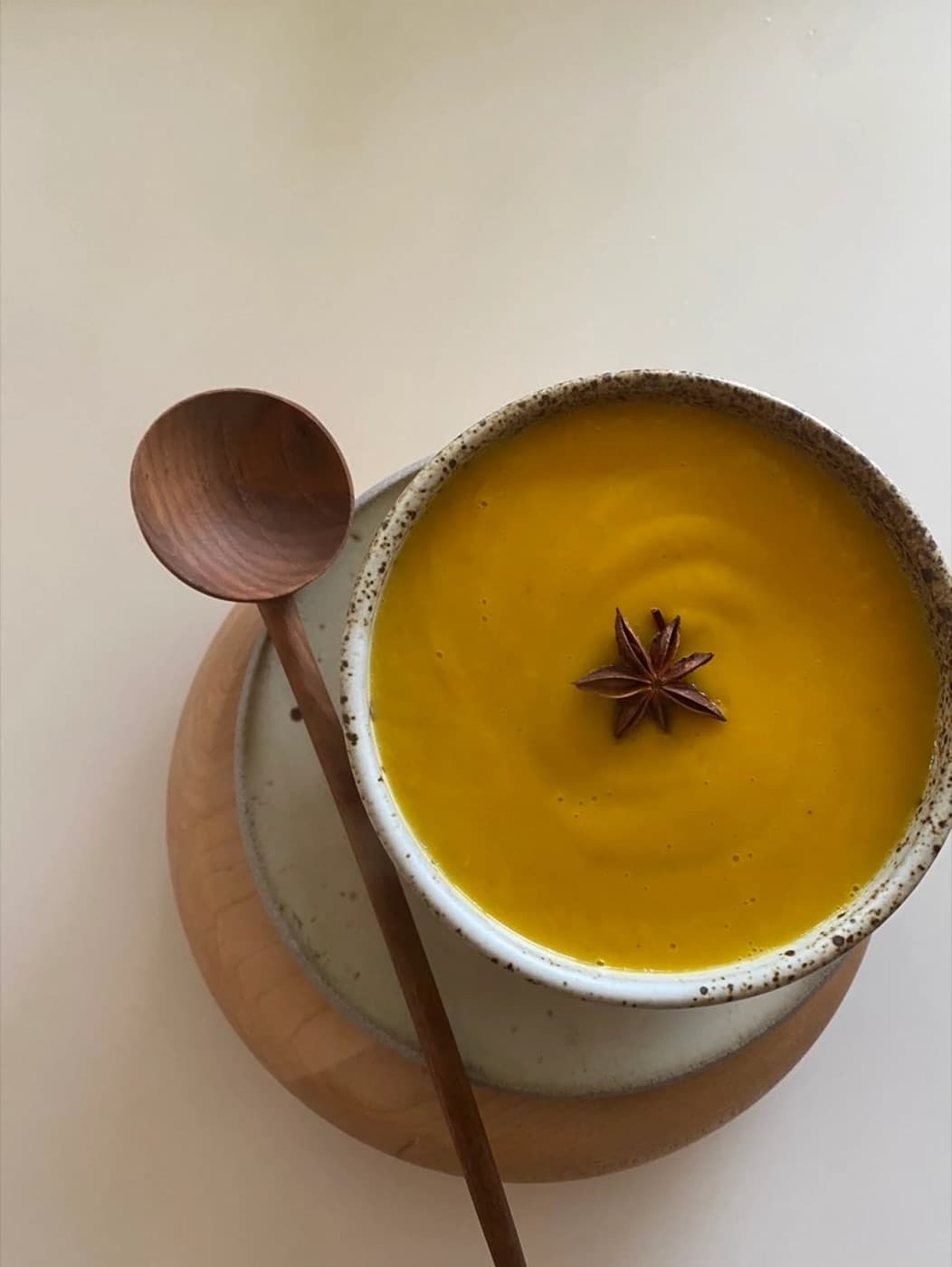
Zuo yuezi (坐月子), or "sitting the month," is a traditional Chinese practice of postpartum recovery lasting roughly 30 days after birth. Its food principles and the Ayurvedic principles that guide Milky Oat's menu are different traditions that arrive at remarkably similar conclusions: a new mother needs warmth, easy digestion, and dense nourishment above almost everything else.
What is zuo yuezi?
Zuo yuezi (literally "sitting the month," 坐月子) is a structured confinement period observed across Chinese and many other East and Southeast Asian cultures. The core belief is that childbirth depletes a woman's qi, blood, and warmth, leaving her vulnerable. The month that follows is considered a critical window to restore what was lost, protect the body from cold and wind, and build a strong foundation for breastfeeding.
Traditionally this involves rest, limited bathing in cold water, staying warm, and above all, eating specific foods prepared in specific ways.
What does zuo yuezi food look like?
The 月子餐 (yuèzi cān, or confinement diet) varies by regional tradition, family recipe, and individual constitution, but several principles hold consistently:
- Warming foods over cooling foods. Ginger, sesame oil, rice wine, jujube, longan, and warming proteins like chicken and pork are prioritized. Cold, raw, or iced foods are typically avoided entirely.
- Bone and meat broths. Long-simmered broths made from pork trotters, chicken, or fish are a cornerstone. They are believed to support milk production, restore blood, and provide collagen for tissue repair.
- Easily digestible carbohydrates. Congee (rice porridge) is the classic staple: soft, warm, easy on digestion, and easy to eat one-handed with a newborn in the other arm.
- Medicinal herbs woven into meals. Dried goji berries, dang gui (angelica root), astragalus, and red dates often appear in broths and stews. These are considered tonic ingredients, not separate supplements.
- Moderate, frequent meals. Large, heavy meals are avoided. The digestive system is treated as temporarily weakened and in need of gentle, consistent fuel.
- No cold or raw foods. No salads, no cold fruit, no iced drinks. Even water is often served warm.
Why does avoiding cold food matter?
Both Chinese medicine and Ayurveda hold that digestion depends on internal heat. Cold and raw foods require more digestive energy to process, energy that a postpartum body does not have to spare. When digestive capacity is low, even nutritious food may not be well absorbed. Warming, cooked food asks less of the digestive system and delivers more.
This is not a superstition. It reflects a practical understanding of how the body works in the weeks immediately after birth.
How does Milky Oat's menu align with these principles?
Milky Oat is an Ayurvedic-informed postpartum meal service, not a traditional Chinese confinement kitchen. The recipes do not come from yuezi tradition, and we want to be straightforward about that. But the underlying philosophy is closely parallel, and the practical result on the plate looks very similar.
Here is where the overlap is real:
- Nothing cold, nothing raw. Every dish on the Milky Oat menu is cooked and delivered warm. There are no salads, no cold proteins, no iced elements.
- Ginger is a constant. Ginger appears in broths, dals, kitchari, and warming grain dishes. In Ayurveda, as in Chinese medicine, ginger is a fundamental digestive and warming agent.
- Slow-cooked broths anchor the menu. Bone and vegetable broths form the base of many dishes. The emphasis on mineral-rich, long-simmered liquid nourishment is something both traditions share completely.
- Soft, easily digestible proteins. Lentils, mung beans, slow-cooked chicken, and eggs prepared gently. Nothing fried, nothing heavy, nothing that demands significant digestive effort.
- Lactation-supporting ingredients. Ingredients traditionally considered galactagogues in both Ayurvedic and herbal traditions, including fenugreek, oats, fennel, and ghee, appear throughout the menu. As always, individual milk supply is complex and mothers should follow their IBCLC's or provider's guidance on what may help them specifically.
- Consistent, moderate portions. Meals are sized to nourish steadily across the day rather than overwhelm.
What Milky Oat does not offer
We will not claim to be a replacement for a traditional yuezi kitchen. We do not cook with rice wine, pork trotters, or the specific Chinese tonic herbs that a yuezi-trained cook or confinement nanny would use. If your family has specific recipes and ingredients that carry deep meaning for your postpartum recovery, those matter, and nothing here replaces them.
What we do offer is a daily foundation of warm, expertly prepared postpartum food that your family does not have to cook, sourced from an Ayurvedic tradition that shares zuo yuezi's most important commitments.
For Bay Area Chinese-American families
Many families in the Bay Area are navigating postpartum care across cultures: a grandmother's advice, a partner who is learning, a mother who may want some yuezi principles without a full month of strict confinement, and no one with the time or bandwidth to cook every day. Milky Oat was built for exactly that gap. The food is warm, it is deeply nourishing, it travels well, and it asks nothing of you except that you eat it.
Two traditions. One table. The most important thing is that you are fed.